

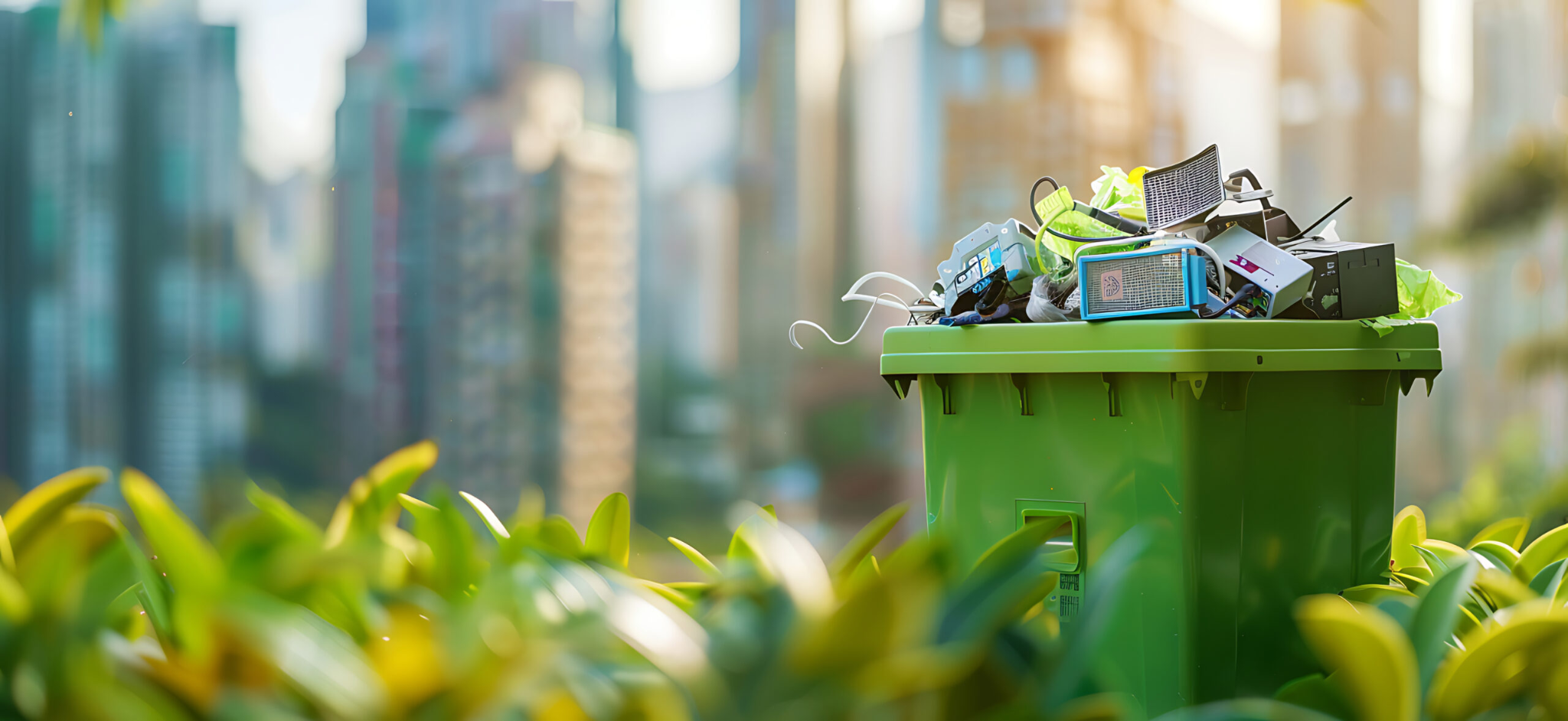
The rapid expansion of digital technology has transformed modern life, but it has also created a major environmental challenge in the form of electronic garbage. Every year, millions of devices such as smartphones, computers, servers, televisions, and industrial machines become obsolete. If not handled properly, this growing stream of waste can cause severe environmental and health hazards. Certified recycling facilities play a critical role in addressing this issue through structured, regulated, and technology-driven e-waste recycling systems that ensure safe disposal, resource recovery, and environmental protection.
What is Electronic Waste?
Electronic waste refers to discarded electrical and electronic equipment that is no longer functional, outdated, or repairable. This includes consumer electronics like laptops and mobile phones, as well as commercial and industrial equipment.
Unlike general waste, electronic waste contains a complex mix of materials such as metals, plastics, glass, and hazardous chemicals. Improper disposal can release toxic substances like lead, mercury, cadmium, and brominated flame retardants into the environment. This makes e-waste recycling essential for both environmental safety and sustainable resource management.
Importance of Certified Recycling Facilities
Certified recycling facilities are specialized centers that process electronic waste under strict environmental regulations and international standards. Their operations are designed to ensure safe handling, proper documentation, and maximum material recovery.
The importance of these facilities in e-waste recycling includes:
- Ensuring safe destruction of sensitive data
- Reducing environmental pollution
- Recovering valuable raw materials
- Supporting circular economy models
- Maintaining compliance with environmental laws
- Preventing illegal dumping and unsafe disposal
These facilities act as the backbone of responsible electronic waste management systems worldwide.
Step 1: Collection and Secure Logistics
The recycling process begins with the safe collection of electronic waste from businesses, institutions, and households. Specialized logistics systems ensure that devices are transported securely without environmental risk or data leakage.
During this stage of e-waste recycling, items are logged and tracked to maintain full traceability throughout the process.
Step 2: Receiving, Inspection, and Categorization
Once electronic waste arrives at a certified facility, it undergoes a detailed inspection process. Each item is assessed based on its condition, type, and material composition.
Devices are then categorized into groups such as:
- Metal-based components
- Plastic materials
- Glass elements
- Circuit boards and semiconductors
- Hazardous waste components
- Reusable or refurbishable devices
This structured categorization is a crucial step in e-waste recycling, as it determines the processing method and recovery potential of each material stream.
Step 3: Secure Data Destruction
One of the most critical aspects of modern e-waste recycling is ensuring data security. Electronic waste often contains sensitive personal, financial, or corporate information stored on hard drives, SSDs, and memory devices.
Certified facilities use advanced data destruction techniques such as:
- Physical shredding of storage devices
- Degaussing magnetic media
- Secure data wiping software
- High-temperature destruction methods
These processes ensure that no recoverable data remains, protecting individuals and organizations from data breaches and misuse.
Step 4: Dismantling of Electronic Devices
After data destruction and sorting, electronic waste is dismantled into its core components. This process may be carried out manually or using automated machinery depending on the complexity of the device.
Dismantling separates materials such as:
- Circuit boards
- Wiring and cables
- Metal frames and casings
- Batteries
- Screens and glass panels
This stage of e-waste recycling allows for efficient extraction of reusable materials while isolating hazardous elements for safe treatment.
Step 5: Material Recovery and Resource Extraction
One of the primary goals of certified recycling facilities is recovering valuable raw materials from electronic waste. Many electronic components contain precious metals such as gold, silver, copper, and palladium.
Through advanced processing techniques, these materials are extracted and reintroduced into manufacturing industries. This waste electronics recycling approach reduces dependence on mining natural resources and significantly lowers environmental degradation caused by extraction activities.
Recovered plastics and glass are also processed for reuse in industrial applications.
Step 6: Treatment of Hazardous Components
Electronic waste often contains harmful substances such as mercury, lead, and cadmium. Certified facilities ensure these materials are treated using controlled and environmentally safe processes.
Proper handling during e-waste recycling prevents soil contamination, water pollution, and air toxicity.
Step 7: Refurbishment and Reuse of Devices
Not all electronic waste is completely unusable. Many devices or components still have functional value and can be refurbished.
Refurbishment involves repairing, testing, and upgrading electronics so they can be reused in secondary markets such as education, small businesses, or low-income communities.
This aspect of e-waste recycling extends product life cycles, reduces waste volume, and supports digital inclusion by making technology more accessible.
Step 8: Recycling into Raw Industrial Materials
After dismantling and material recovery, remaining components are processed into raw materials for industrial use. Metals are melted and refined, plastics are reprocessed into pellets, and glass is crushed and reused.
This stage completes the e-waste recycling loop by converting discarded electronics into new manufacturing inputs. It plays a vital role in creating a circular economy where waste becomes a resource.
Environmental Benefits of E-Waste Recycling
Proper handling of electronic waste through certified facilities offers significant environmental advantages:
- Reduces landfill accumulation
- Prevents toxic chemical leakage
- Lowers greenhouse gas emissions
- Conserves natural resources
- Reduces energy consumption in manufacturing
- Supports sustainable industrial growth
By promoting structured e-waste recycling, industries and governments can significantly reduce environmental damage caused by improper disposal.
Technology and Innovation in Recycling Facilities
Modern recycling facilities are increasingly using advanced technologies such as AI-based sorting systems, robotic dismantling, and digital tracking platforms. These innovations enhance efficiency in electronic waste recycling and improve recovery rates.
Such systems also ensure greater transparency in how electronic waste is processed and tracked.
Conclusion
Certified recycling facilities are essential for managing the increasing burden of electronic garbage in a safe and sustainable way. Through structured collection, secure data destruction, material recovery, and environmental compliance, e-waste recycling transforms harmful waste into valuable resources. By supporting circular economy practices and reducing environmental impact, these systems ensure a cleaner, safer, and more sustainable future for generations to come.
Delivering sustainable, compliant, and environmentally responsible recycling solutions, Planet Green Recycling is a certified electronic waste management provider specializing in secure and efficient processing of electronic waste. Their services include collection, data destruction, dismantling, recycling, and safe disposal of e-waste materials. They ensure strict environmental compliance while recovering valuable resources like metals and components. With advanced infrastructure and ethical practices, they provide e-waste recycling solutions supporting sustainability, compliance, and environmental protection goals.