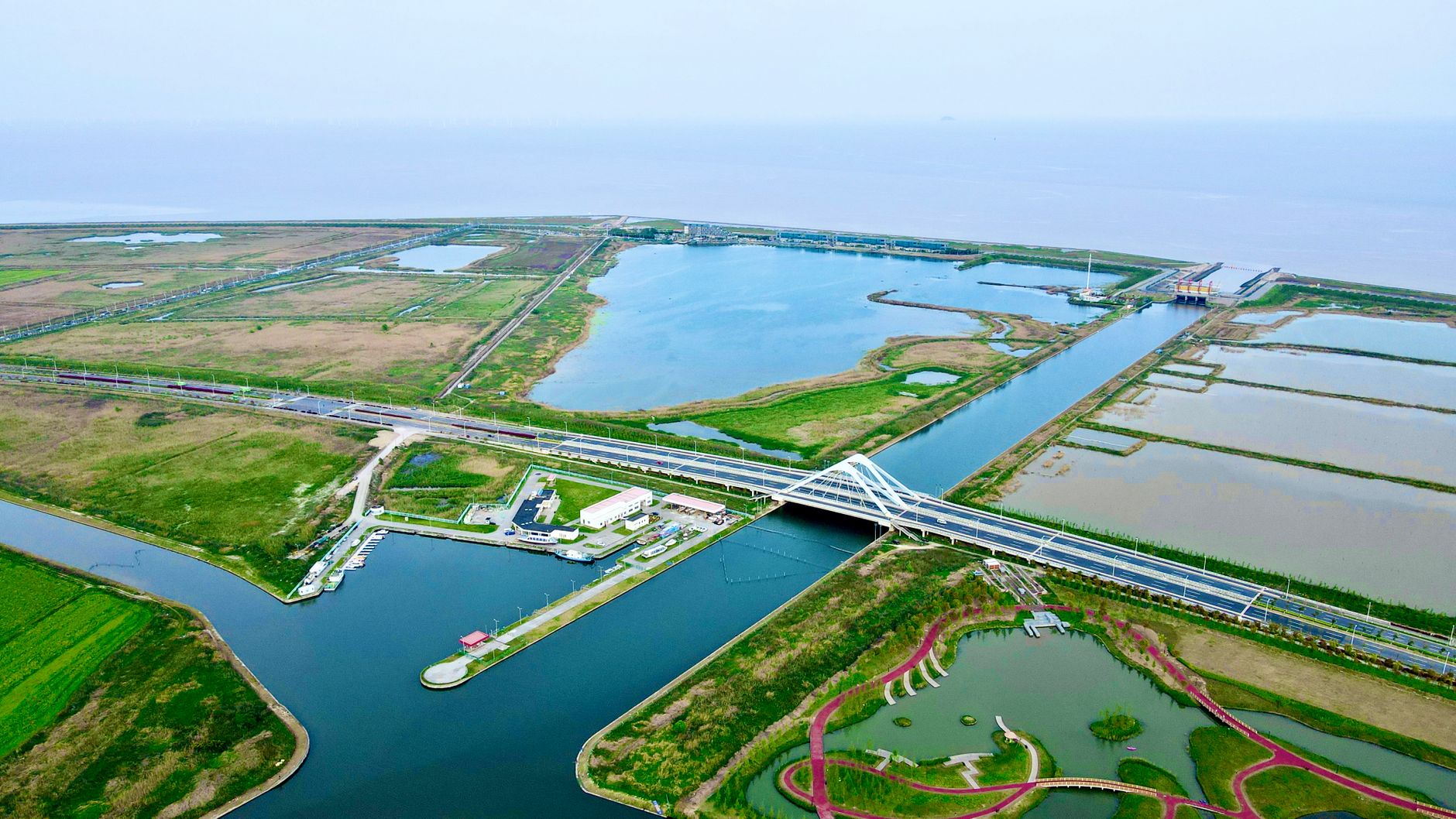
servers in sea near Shanghai have been deployed as part of a new initiative, raising questions about their environmental impact and data security. This move follows a Microsoft project that was shut down years ago.
Overview of the New Server Initiative
In a bold move, China has deployed 2,000 servers in the sea near Shanghai, a significant initiative aimed at enhancing its technological infrastructure. This project draws inspiration from a previous Microsoft initiative that faced challenges and ultimately led to its shutdown in 2020. The new server initiative underscores China’s determination to explore innovative methods for data storage and processing, particularly in the face of rising demand for cloud services.
The underwater servers are designed to provide several benefits, including:
- Enhanced cooling: Being submerged in water provides natural cooling, which can lead to improved energy efficiency.
- Space efficiency: Utilizing underwater locations helps mitigate land-use challenges often associated with traditional data centers.
- Reduced latency: Proximity to urban centers can potentially improve data transmission speeds.
However, experts are cautious about the potential environmental impacts of such a large-scale operation. There are concerns regarding:
- Marine ecosystem disruption: The installation and operation of servers in the sea may affect local marine life.
- Data security: The offshore nature raises questions about the protection of sensitive information.
- Long-term sustainability: The viability of maintaining these underwater systems remains uncertain.
As this initiative progresses, it will be crucial to monitor its impacts and address any emerging challenges.
Environmental Concerns of Undersea Servers
The deployment of servers in the sea near Shanghai has raised significant environmental concerns among experts and local communities. While the initiative aims to enhance data processing capabilities, the potential ecological impact cannot be overlooked.
One primary concern is the disruption of marine ecosystems. The installation of these undersea servers can affect the natural habitats of various marine species. Experts warn that the noise and vibrations generated by the servers may disturb fish populations and other aquatic life, leading to unforeseen consequences for biodiversity.
Additionally, the risk of leaks or malfunctions poses a threat to the surrounding waters. Should any hazardous materials escape from the servers, it could lead to contamination, impacting both marine life and local fisheries. This raises serious questions about the sustainability of such technological advancements.
Environmental activists have also highlighted the carbon footprint associated with the energy consumption of these servers. The power required to maintain optimal operating conditions adds to China’s growing energy demands, which can exacerbate pollution and climate change issues.
In summary, while the initiative of placing servers in the sea near Shanghai presents technological opportunities, it also introduces significant environmental risks that must be carefully managed to ensure the protection of marine ecosystems and local communities.
Impact on Data Security
The deployment of servers in the sea near Shanghai raises significant concerns regarding data security. While the initiative aims to enhance data processing capabilities, it inadvertently exposes sensitive information to various risks. The underwater location of these servers creates a unique set of vulnerabilities that can be exploited by malicious actors.
One of the primary concerns is physical security. Servers located underwater are more challenging to monitor and protect, making them potentially susceptible to tampering or damage. Additionally, the remote nature of these installations could hinder rapid response efforts in the event of a security breach.
Moreover, the use of underwater cables for communication poses another layer of risk. These cables can be targeted for interception or sabotage, potentially allowing unauthorized access to the data transmitted to and from the servers in sea near Shanghai. As a result, organizations relying on this infrastructure must consider the implications of compromised data integrity.
Furthermore, regulatory compliance becomes complex when data is stored in unconventional environments. Companies may find it challenging to adhere to international data protection regulations, raising questions about the legal ramifications of data breaches originating from these underwater servers.
In conclusion, while the initiative has its benefits, the potential impact on data security cannot be overlooked, necessitating robust measures to safeguard sensitive information.
Comparison with Previous Microsoft Project
The recent deployment of servers in the sea near Shanghai has drawn comparisons to a previous Microsoft initiative that was ultimately deemed unsuccessful. Microsoft had ventured into underwater server technology with its Project Natick, which aimed to explore the potential for submerged data centers. However, the project was halted in 2020 due to various challenges, including environmental impacts and questions surrounding data security.
In retrospect, the lessons learned from Microsoft’s experience could serve as a cautionary tale for the current initiative. While the concept of underwater servers promises advantages, such as cooling efficiency and space conservation, the practical implications are complex. Environmental experts highlighted that the underwater ecosystem could be significantly disrupted by the introduction of large data centers, raising concerns about marine life and water quality.
Moreover, the issues faced by Microsoft regarding data security remain pertinent. The isolation of servers in a marine environment poses unique challenges in terms of access and maintenance, which could lead to vulnerabilities. As China moves forward with its ambitious deployment of 2,000 servers in the sea near Shanghai, it is crucial to consider these past experiences and address the multifaceted concerns associated with such a bold technological endeavor.
The presence of servers in sea near Shanghai has raised significant environmental concerns. Studies indicate that the impact of these servers in sea near Shanghai could have long-lasting effects on marine ecosystems.
Photo by Collins Zhao on Pexels
Where this came from
Related reading
Bitcoin Acquisition News: Is It the Best Investment Opportunity? · Oklahoma State Cowboys score: What’s the Best Live Update? · Rogue AI Agents: The Simple Truth About CAPTCHAs