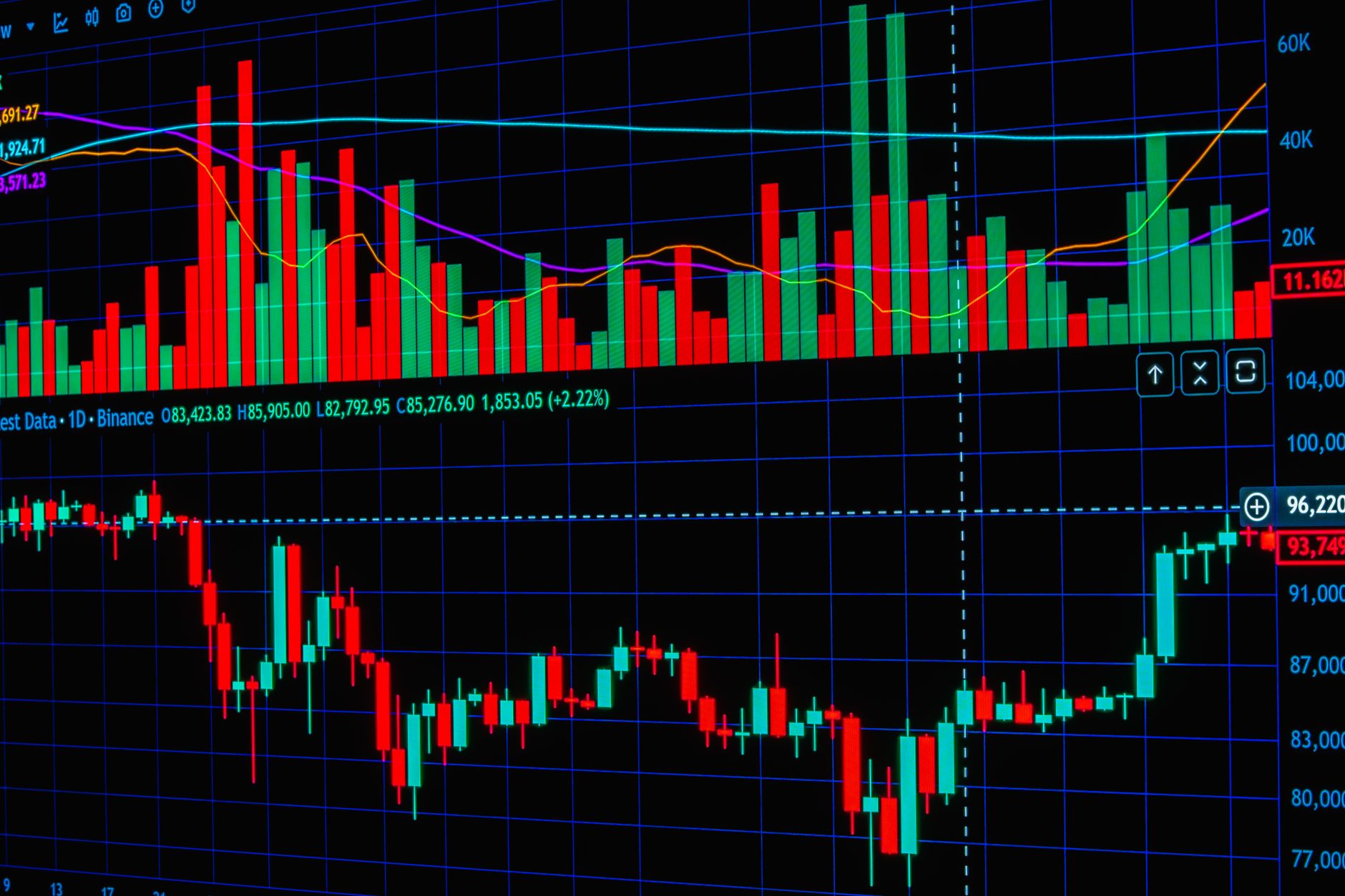
The Sensex Nifty losing streak has now extended to eight consecutive weeks, driven by persistent FII selling and rising global risks.
Overview of the Current Market Situation
The Indian stock market is currently facing significant challenges, as both the Sensex and Nifty indices have entered a troubling phase, extending their losing streak to eight consecutive weeks. This prolonged downturn raises concerns among investors and market analysts alike, particularly in light of escalating global risks and persistent selling by foreign institutional investors (FIIs).
Recent data indicates that the ongoing Sensex Nifty losing streak has been largely influenced by various external factors, including geopolitical tensions and inflationary pressures. As global markets react to these uncertainties, investor sentiment in India has been adversely affected, leading to increased volatility across major sectors.
- The Sensex has dropped significantly, reflecting a bearish trend that has not been seen in recent years.
- Similarly, the Nifty index has shown a steady decline, causing alarm among retail investors.
- Analysts warn that continued FII selling could further exacerbate the situation, leading to more significant market corrections.
- Economic indicators suggest a need for strategic policy interventions to restore confidence in the market.
As investors navigate these turbulent waters, many are left wondering if this is merely a temporary setback or a more profound shift in market dynamics. The coming weeks will be crucial in determining the future trajectory of the Sensex and Nifty.
Factors Contributing to the Losing Streak
The ongoing Sensex Nifty losing streak can be attributed to several critical factors that are influencing market sentiment.
- Foreign Institutional Investors (FIIs) Selling: A significant reason behind the recent downturn is the persistent selling by FIIs. Investors are pulling back due to global uncertainties, leading to increased pressure on Indian indices.
- Global Economic Concerns: The ripple effects of geopolitical tensions and inflationary pressures in major economies are creating a cautious atmosphere for investors. Events such as rising interest rates in the US and concerns over a potential recession are causing market volatility worldwide.
- Domestic Economic Indicators: While India’s economy shows signs of resilience, certain domestic indicators, including sluggish manufacturing data and tepid consumer demand, are raising red flags. Analysts suggest that these factors contribute to a lack of confidence among retail investors.
- Corporate Earnings Disappointments: Recent earnings reports from key sectors have failed to meet market expectations, further dampening investor sentiment. This trend has led to a sell-off in stocks that were previously considered stable.
The combination of these elements has created a challenging environment for the markets, resulting in the Sensex Nifty losing streak that investors are closely monitoring.
Impact of FII Selling on Indian Markets
The impact of Foreign Institutional Investor (FII) selling on Indian markets has become increasingly evident as the Sensex and Nifty face a prolonged losing streak. This trend, marked by an eighth consecutive week of declines, raises concerns among analysts and investors alike.
FIIs play a crucial role in the Indian stock market, and their withdrawal can lead to significant fluctuations. Over the past few weeks, a marked increase in FII selling has been observed, with many investors pulling out due to global uncertainties and rising interest rates in developed markets.
- Market Volatility: The consistent selling pressure from FIIs has contributed to heightened market volatility, making it challenging for domestic investors to navigate their portfolios.
- Investor Sentiment: The ongoing FII selling has negatively impacted investor sentiment, leading to a cautious approach among retail investors and further exacerbating the Sensex Nifty losing streak.
- Foreign Exchange Rates: As FIIs withdraw funds, there is a corresponding impact on the Indian rupee, which may lead to additional concerns about inflation and economic stability.
Despite efforts by the government and regulatory bodies to stabilize the markets, the influence of FII selling remains a pivotal factor in the current downturn. Understanding this dynamic is essential for anticipating future market movements and making informed investment decisions.
Global Risks Affecting Stock Performance
The ongoing losing streak of the Sensex and Nifty has raised concerns among investors, particularly due to a range of global risks that are influencing stock performance. As the markets grapple with uncertainty, several factors have emerged as critical influences.
- Geopolitical Tensions: Heightened geopolitical tensions, particularly in regions such as Eastern Europe and the Middle East, have created an environment of instability. Investors are increasingly wary of potential escalation, which could lead to market volatility.
- Inflationary Pressures: Persistently high inflation rates globally are impacting purchasing power and corporate profitability. Central banks are responding with aggressive monetary policies, causing concern over the long-term health of economic recovery.
- Supply Chain Disruptions: Ongoing disruptions in global supply chains, exacerbated by the pandemic and other factors, are affecting numerous sectors. This has led to delays and increased costs, further contributing to the bearish sentiment surrounding the markets.
- Interest Rate Hikes: Anticipated interest rate hikes by major central banks have led to a tightening of liquidity. This shift in monetary policy is causing investors to reassess risk, further impacting the Sensex and Nifty losing streak.
As these global risks persist, the Indian markets remain on edge, with analysts closely monitoring their effects on the overall economic landscape.
Historical Context of Market Declines
The historical context of market declines provides valuable insights into the current Sensex Nifty losing streak. Over the years, Indian markets have experienced several significant downturns, often driven by a combination of domestic and international factors. Understanding these past events can help investors make sense of the current situation.
One notable instance occurred during the global financial crisis of 2008, where the Sensex plummeted nearly 60% from its peak, leading to widespread panic among investors. Similarly, in 2011, concerns over the Eurozone crisis prompted a substantial market sell-off, impacting both the Sensex and Nifty. Each of these declines was characterized by heightened volatility and a shift in investor sentiment, often influenced by external economic conditions.
In more recent history, the COVID-19 pandemic triggered a sharp decline in early 2020, with markets falling dramatically in response to lockdown measures and economic uncertainty. However, it was followed by a strong recovery fueled by fiscal stimulus and vaccination rollouts. This historical perspective indicates that while downturns are part of the market cycle, they can also be followed by significant rebounds.
As the Sensex Nifty losing streak continues, investors are advised to remain vigilant and consider the lessons learned from past market declines. Historical trends suggest that patience and strategic investment decisions can often yield positive outcomes even in challenging times.
Future Outlook for Sensex and Nifty
As the Sensex and Nifty continue their losing streak, analysts are closely monitoring various indicators to gauge future market performance. The ongoing decline has raised concerns among investors, prompting many to reassess their strategies.
Market experts suggest that several factors will play a critical role in determining the trajectory of both indices in the coming weeks. These include:
- Economic Data Releases: Upcoming reports on inflation, GDP growth, and employment rates could significantly influence investor sentiment.
- Monetary Policy Adjustments: Decisions from the Reserve Bank of India regarding interest rates may impact liquidity in the market.
- Corporate Earnings: The performance of major companies in the upcoming earnings season will provide insight into the health of the economy.
- Global Market Trends: Movements in international markets, particularly in the U.S. and Europe, will likely affect the Indian stock indices.
While the current losing streak for the Sensex and Nifty raises alarms, some analysts believe that this could present a buying opportunity for long-term investors. Market corrections are often followed by recoveries, and history suggests that downturns can pave the way for future gains.
In conclusion, while the outlook remains uncertain, the factors mentioned above will be pivotal in shaping the future path for the Sensex and Nifty.
Analysts are closely monitoring the ongoing trends to determine if the current Sensex Nifty losing streak is indicative of a more significant market downturn. As investors weigh their options, the implications of the Sensex Nifty losing streak could have lasting effects on market confidence.