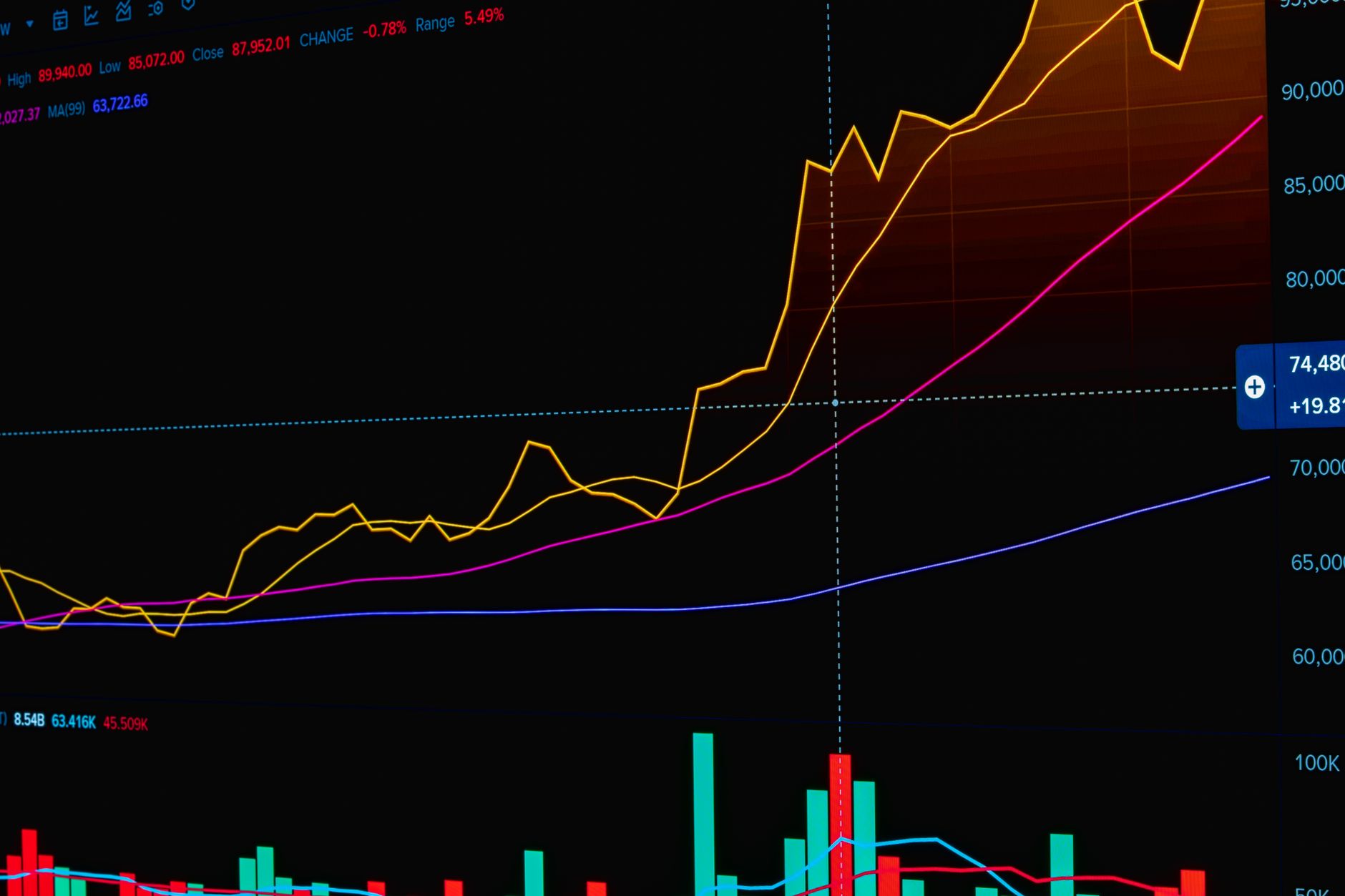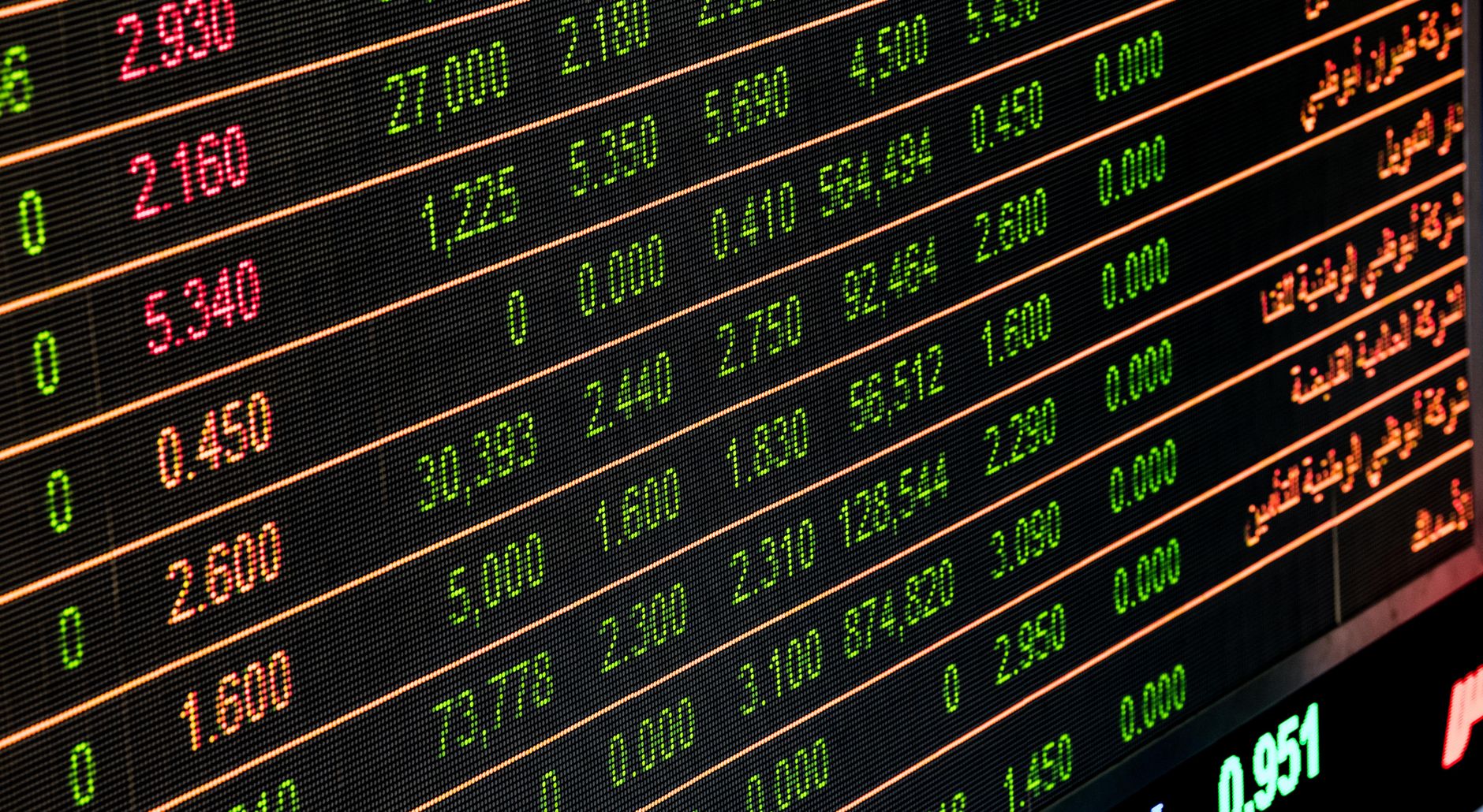
Sensex Nifty early trade has shown a slip as investors engage in profit-booking. IT stocks managed to limit the losses, indicating mixed market sentiments.
Understanding the Current Market Trends
In the early trade, the Indian stock market saw the Sensex and Nifty slipping as investors engaged in profit-booking activities. This trend has raised concerns among analysts regarding the current market climate.
As traders react to recent fluctuations, several factors appear to be influencing market sentiments:
- Profit-Booking: After a series of gains, many investors are cashing in, leading to a downward trend in indices.
- Global Cues: International markets have shown mixed signals, impacting local sentiments.
- Sector Performance: IT stocks are proving resilient, managing to limit losses amidst the broader market decline.
The early trade conditions raise the question: Is this the worst time to invest? With the Sensex Nifty early trade indicating volatility, potential investors should carefully assess their strategies before jumping in.
Impact of Profit-Booking on Stocks
The recent early trade of the Sensex and Nifty has raised concerns among investors as profit-booking trends have emerged. This activity comes after a period of robust gains, prompting many traders to secure their profits.
As market sentiment shifts, the following factors are impacting stock performance:
- Profit-Booking Pressure: Investors are choosing to cash out in light of recent highs, which is leading to a decline in indices.
- Sector Performance: While many sectors are seeing a downturn, IT stocks have managed to limit their losses, demonstrating resilience in a volatile market.
- Investor Sentiment: The atmosphere among traders is cautious, with many questioning whether this is the worst time to invest amid fluctuating trends.
In summary, the early trade of the Sensex Nifty is a reflection of profit-booking strategies that could influence investment decisions going forward.
How IT Stocks Are Performing
In the latest Sensex Nifty early trade, IT stocks have shown resilience amid broader market pressures. While the overall indices faced a dip due to profit-booking, technology shares managed to limit their losses, showcasing their defensive nature.
Analysts suggest that the performance of IT stocks can be attributed to several key factors:
- Strong Earnings Reports: Many IT companies have recently posted better-than-expected quarterly results, boosting investor confidence.
- Global Demand: The ongoing demand for digital transformation and cloud services continues to drive growth in the sector.
- Valuation Comfort: Despite market volatility, many IT stocks are perceived as undervalued, attracting bargain hunters.
As investors assess the current landscape, the performance of IT stocks during this challenging time could influence their strategies in the Sensex Nifty early trade.
Investor Sentiment in Early Trade
Investor sentiment in early trade remains cautious as the Sensex and Nifty slip due to ongoing profit-booking. Market analysts suggest that this trend may deter potential investors, creating uncertainty about the right time to enter the market.
As the indices experience fluctuations, various factors contribute to the prevailing mood among traders:
- Profit-Booking Pressure: The recent gains in the market have prompted many investors to lock in profits, leading to a decline in stock prices.
- Global Cues: International markets are also facing volatility, influencing local investor confidence.
- Sector Performance: While some sectors are struggling, IT stocks manage to limit losses, offering a glimmer of hope amid the downturn.
Overall, the current early trade scenario for Sensex and Nifty raises questions about whether it is indeed the worst time to invest, as market participants weigh their options carefully.
Future Outlook for Sensex and Nifty
The future outlook for Sensex and Nifty remains uncertain as early trade indicates a cautious approach among investors. With ongoing profit-booking activities, many are left wondering if now is the worst time to invest. Analysts suggest that the market may experience further volatility in the coming weeks.
Key factors influencing this outlook include:
- Global Economic Conditions: Fluctuations in international markets can have a significant impact on local indices.
- Monetary Policy Changes: Upcoming decisions by the Reserve Bank of India (RBI) may lead to shifts in investor confidence.
- Sector Performances: While IT stocks have shown resilience, other sectors may face challenges that could affect overall market sentiment.
Investors are advised to remain vigilant and consider a long-term perspective as the Sensex and Nifty navigate this turbulent phase.
Key Factors Influencing Market Movements
Several key factors are currently influencing market movements, particularly in the context of Sensex Nifty early trade. Firstly, global economic conditions, including fluctuations in oil prices and geopolitical tensions, have created an atmosphere of uncertainty among investors. Additionally, recent inflation data has raised concerns over future interest rate hikes, impacting market confidence.
Secondly, corporate earnings reports are playing a significant role. Mixed results from major firms have led to varied reactions in stock prices, with some sectors facing more profit-taking than others.
Moreover, the performance of foreign institutional investors (FIIs) remains crucial. A sell-off by FIIs can exacerbate volatility, prompting domestic investors to reevaluate their strategies.
Lastly, the psychological impact of past market corrections is making investors cautious, leading to a more conservative approach in the current environment. These factors combined suggest that navigating the market during this period requires careful consideration.
Tips for Investors in Volatile Markets
In times of market volatility, such as the recent Sensex Nifty early trade, investors must adopt a cautious approach. Here are some tips to navigate these turbulent waters:
- Stay Informed: Keep abreast of market news and economic indicators that can impact stock performance.
- Diversify Your Portfolio: Spread investments across various sectors to mitigate risks associated with market fluctuations.
- Set Clear Investment Goals: Define your objectives and invest accordingly, whether for short-term gains or long-term growth.
- Avoid Panic Selling: Emotional decisions can lead to significant losses. Stick to your strategy and remain focused.
- Consult a Financial Advisor: Seek professional advice to ensure your investment decisions align with your risk tolerance and goals.
By implementing these strategies, investors can better position themselves to weather the current market challenges.
The Sensex Nifty early trade has shown significant volatility, prompting many investors to question their strategies. Analysts suggest that despite the current fluctuations in the Sensex Nifty early trade, there may still be opportunities for long-term gains.
Photo by Pixabay on Pexels