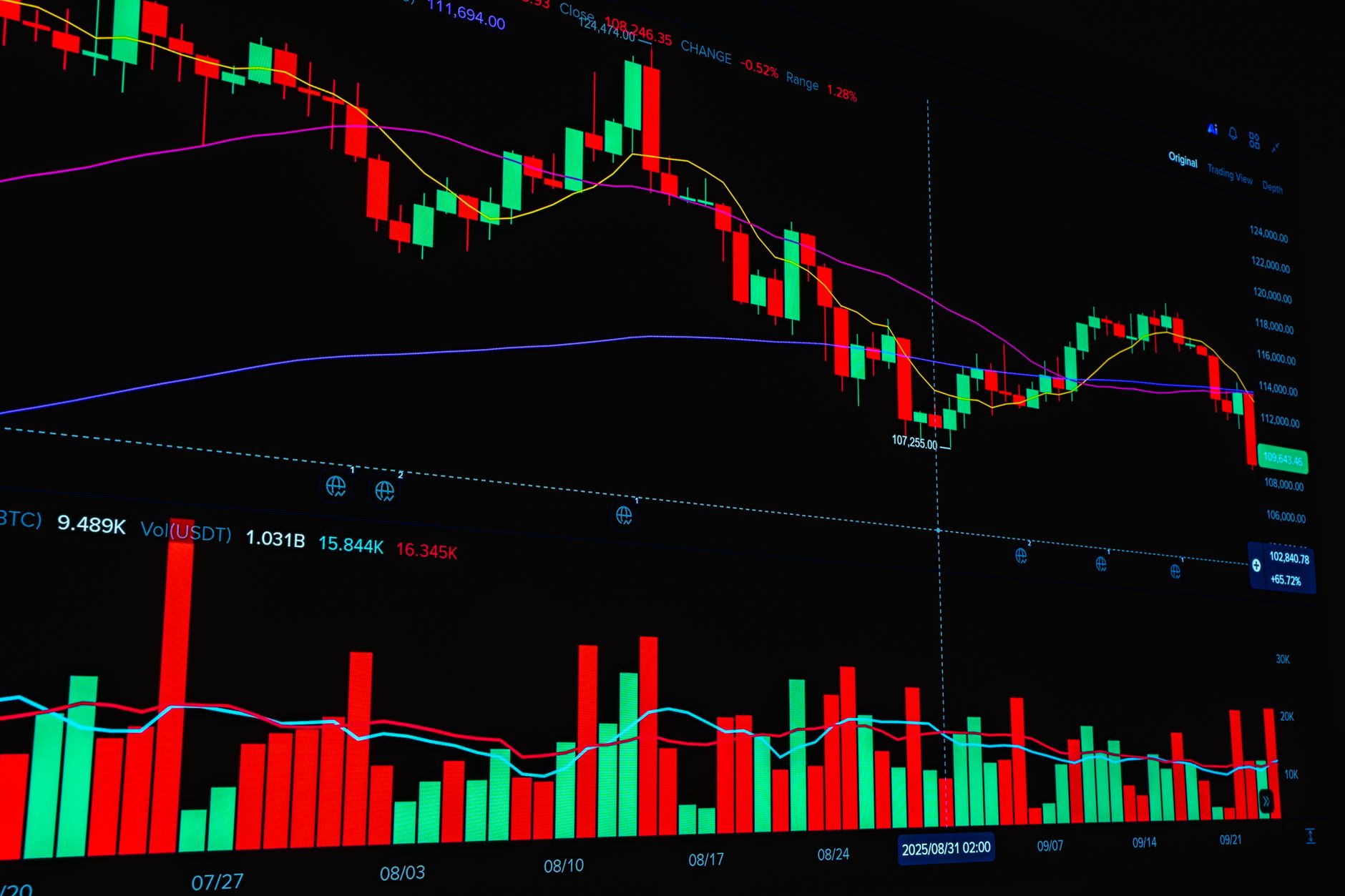

The current price of Bitcoin is a crucial factor for investors and enthusiasts alike. On October 30, 2026, understanding this price can significantly impact your investment decisions.
What Influences the Current Price of Bitcoin?
The current price of Bitcoin is influenced by a variety of factors that can cause significant fluctuations in the market. Understanding these influences can help investors make informed decisions.
- Market Demand: The basic principle of supply and demand plays a crucial role in determining the current price of Bitcoin. When more people want to buy Bitcoin than sell it, the price tends to rise.
- Regulatory News: Government regulations and announcements can significantly impact Bitcoin’s price. Positive news about acceptance can drive prices up, while negative regulations can lead to sharp declines.
- Technological Developments: Innovations related to Bitcoin, such as upgrades to its blockchain technology, can also affect its price. Enhancements that improve security or transaction speed are often viewed positively.
- Market Sentiment: The overall mood of investors and traders can lead to price changes. Factors such as social media trends and public perception can create sudden spikes or drops in price.
- Global Economic Factors: Economic conditions, including inflation rates and market stability, can influence investor behavior and, subsequently, the price of Bitcoin.
By considering these factors, investors can better navigate the complex landscape of cryptocurrency trading.
Historical Trends of Bitcoin Prices
The historical trends of Bitcoin prices reveal a volatile but upward trajectory since its inception. In the early years, Bitcoin experienced significant fluctuations, often influenced by media coverage, regulatory news, and market sentiment. Understanding these trends can provide valuable insights into the current price of Bitcoin.
From a mere few cents in 2010, the price surged to nearly $20,000 by December 2017, marking one of the most significant bull runs in cryptocurrency history. However, this was followed by a sharp decline, with Bitcoin prices dropping to around $3,200 in late 2018. This volatility has continued, as illustrated by another dramatic rally in 2020, pushing the price to all-time highs of over $60,000 in 2021.
As of October 30, 2026, Bitcoin’s price fluctuates daily, driven by various factors such as investor sentiment, institutional adoption, and global economic conditions. Analysts emphasize the importance of examining these historical trends to formulate effective investment strategies.
Key historical milestones include:
- 2010: Bitcoin’s price first recorded at $0.0008.
- 2013: Bitcoin reaches $1,000 for the first time.
- 2017: The price peaks at nearly $20,000.
- 2021: Bitcoin surpasses $60,000.
How to Analyze Bitcoin Market Trends
Analyzing the Bitcoin market trends is crucial for investors looking to make informed decisions. Understanding the current price of Bitcoin requires a comprehensive approach that combines both technical and fundamental analysis.
Firstly, technical analysis involves examining price charts and identifying patterns or signals that suggest future movements. Traders often look at:
- Support and Resistance Levels: These are critical price points where Bitcoin has historically bounced back or faced rejection.
- Moving Averages: Indicators like the 50-day or 200-day moving averages help smooth out price action and reveal the overall trend.
- Volume Analysis: Trading volume can indicate the strength of a price movement; higher volumes often confirm trends.
On the other hand, fundamental analysis considers external factors affecting the cryptocurrency market. Key elements include:
- Regulatory News: Changes in laws or regulations can influence investor sentiment and market stability.
- Adoption Rates: The number of businesses and individuals adopting Bitcoin can affect its demand, thereby impacting the current price of Bitcoin.
- Market Sentiment: Social media trends and news coverage can sway public opinion and drive market behavior.
By combining these analyses, investors can better navigate the complexities of Bitcoin’s volatile market.
Predictions for Bitcoin in Late 2026
As we approach late 2026, various analysts and experts are making predictions about the future of Bitcoin and its price trajectory. Understanding these predictions can help investors navigate the volatile cryptocurrency market effectively.
Several factors may influence the current price of Bitcoin, including:
- Regulatory Developments: Governments worldwide are establishing clearer regulations regarding cryptocurrencies. This could either bolster confidence in Bitcoin or hinder its growth depending on the nature of the regulations.
- Technological Advancements: Improvements in blockchain technology and Bitcoin’s scalability could enhance its adoption rate, potentially driving up the price.
- Market Sentiment: The overall sentiment among investors, influenced by global economic conditions, may have a significant impact on Bitcoin’s price.
Moreover, some analysts predict that by late 2026, Bitcoin could experience a price surge driven by increased institutional adoption and the growing acceptance of cryptocurrencies in mainstream finance. However, others caution that market volatility could lead to significant price fluctuations.
Ultimately, while predictions vary, staying informed about market trends and understanding the factors that influence the current price of Bitcoin will be crucial for anyone looking to invest.
The Impact of Regulations on Bitcoin Prices
The impact of regulations on Bitcoin prices has become increasingly significant as governments around the world establish frameworks for cryptocurrency transactions. These regulations can create a ripple effect that influences the current price of Bitcoin and investor sentiment.
Firstly, regulatory announcements often lead to immediate fluctuations in Bitcoin’s market value. When countries implement strict regulations, it can create uncertainty, leading to a decline in prices. Conversely, positive regulatory news, such as the approval of Bitcoin ETFs or clearer guidelines for exchanges, can boost investor confidence and drive prices higher.
Moreover, regulations can impact the overall adoption of Bitcoin. As more businesses and financial institutions comply with legal frameworks, the legitimacy of Bitcoin increases, potentially attracting more mainstream investors. This shift in perception may stabilize the current price of Bitcoin in the long run.
Furthermore, differing regulatory environments across jurisdictions can lead to price discrepancies. For instance, countries with favorable regulations may see higher demand, which could elevate Bitcoin prices compared to regions with stringent restrictions.
In conclusion, the relationship between regulations and Bitcoin prices is complex. Investors must stay informed about regulatory developments to navigate the volatile landscape of Bitcoin effectively.
Best Strategies for Investing in Bitcoin
Investing in Bitcoin can be both rewarding and challenging, and adopting the right strategies is crucial for success. Here are some of the best strategies for investing in Bitcoin:
- Dollar-Cost Averaging: This method involves investing a fixed amount of money in Bitcoin at regular intervals, regardless of its current price. This approach helps mitigate the impact of volatility and reduces the risk of making poor investment decisions based on short-term price fluctuations.
- Long-Term Holding: Known as “HODLing,” this strategy focuses on buying Bitcoin and holding onto it for an extended period. Investors who believe in the long-term potential of Bitcoin may find this strategy beneficial, especially given its historical price appreciation.
- Technical Analysis: Utilizing charts and patterns can aid in understanding market trends and potential entry and exit points. Traders often analyze past price movements to make informed decisions about when to buy or sell.
- Diversification: While focusing on Bitcoin, it’s wise to diversify your investment portfolio. Including a mix of cryptocurrencies and other assets can help reduce risk and enhance overall returns.
By following these strategies, investors can navigate the complexities of the cryptocurrency market and stay informed about the current price of Bitcoin.
Current Price of Bitcoin: Key Takeaways
The current price of Bitcoin serves as a crucial indicator for investors and traders alike. As of October 30, 2026, Bitcoin’s value reflects a combination of market demand, investor sentiment, and broader economic factors. Understanding these dynamics is essential for anyone involved in cryptocurrency trading.
Here are some key takeaways regarding the current price of Bitcoin:
- Volatility: Bitcoin continues to exhibit significant price volatility, making it both an opportunity and a risk for investors.
- Market Sentiment: The overall mood in the crypto market can dramatically influence the current price of Bitcoin. Positive news often leads to price spikes, while negative news can result in sharp declines.
- Adoption Rates: Increased adoption by businesses and financial institutions has historically boosted Bitcoin’s price, as more people engage with the cryptocurrency ecosystem.
- Technological Developments: Innovations such as the Lightning Network or advancements in blockchain technology can enhance Bitcoin’s scalability and usability, impacting its price positively.
- Regulatory Environment: Changes in regulations can lead to fluctuations in Bitcoin’s value, making it essential for investors to stay informed about legislative developments.
In conclusion, staying updated on the current price of Bitcoin and understanding the factors influencing it is vital for savvy investment strategies.
Comparing Bitcoin with Other Cryptocurrencies
As the cryptocurrency market continues to evolve, many investors are keen to compare the current price of Bitcoin with other prominent cryptocurrencies. Bitcoin, being the first and most widely recognized cryptocurrency, often sets the tone for the market. However, several other cryptocurrencies, also known as altcoins, have gained significant traction.
Among the most notable competitors are:
- Ethereum (ETH): Known for its smart contract functionality, Ethereum has seen substantial growth and is often viewed as a complementary asset to Bitcoin.
- Binance Coin (BNB): Originally created to facilitate transactions on the Binance exchange, BNB has expanded its utility and adoption.
- Cardano (ADA): With a focus on sustainability and scalability, Cardano has garnered interest from investors looking for long-term growth.
- Solana (SOL): This platform boasts high transaction speeds and lower costs, making it a popular choice for developers.
While the current price of Bitcoin remains a focal point for many, these altcoins offer alternative investment opportunities and diversification. Understanding their market dynamics is crucial for investors aiming to optimize their portfolios in the rapidly changing landscape of cryptocurrencies.