

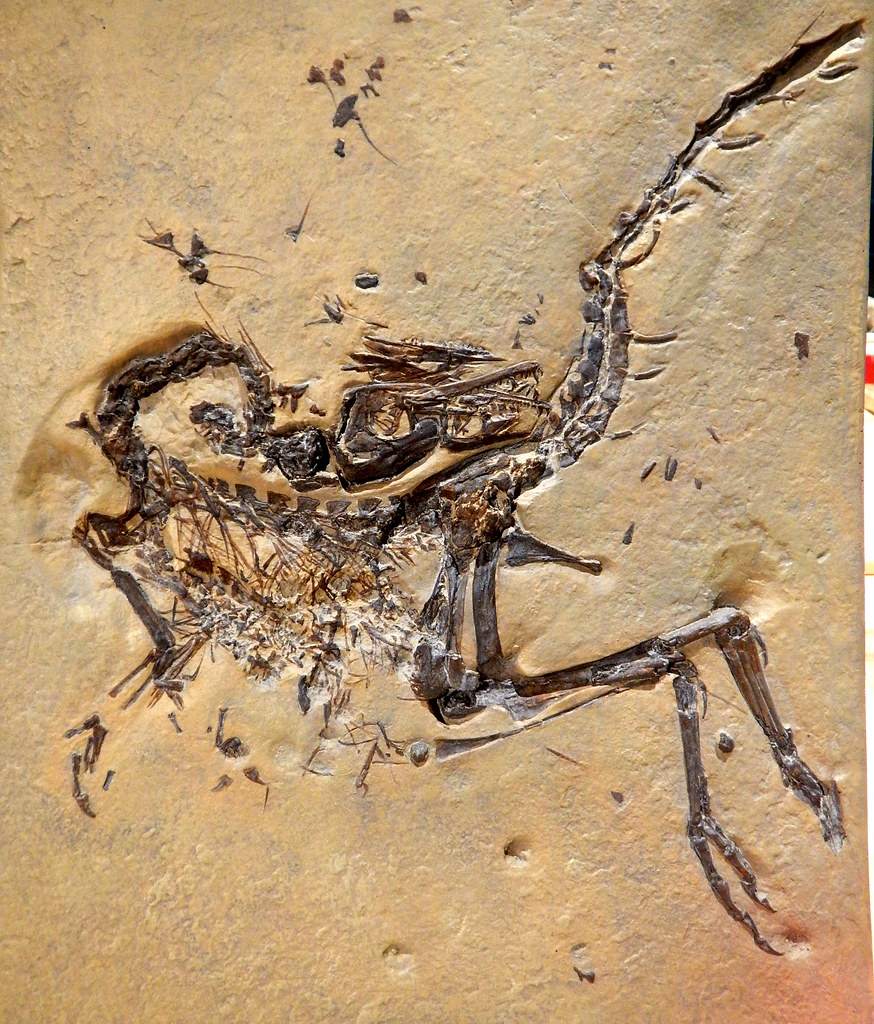
The new species dinosaur discovered in Argentina is a remarkable addition to our understanding of prehistoric creatures. Paleontologists are thrilled by this significant find.
What is the New Species Dinosaur?
Scientists have recently identified a new species dinosaur in Argentina, providing thrilling insights into the diverse world of prehistoric life. This remarkable discovery reveals a predatory dinosaur that roamed the Earth millions of years ago. Paleontologists unearthed fossils that exhibit unique features, setting this dinosaur apart from other known species.
The new species, characterized by its distinctive skull structure and sharp teeth, suggests that it was a formidable hunter. Researchers believe this dinosaur played a crucial role in its ecosystem, likely preying on smaller animals and competing with other predators of its time.
Among the key findings are:
- Unique Morphology: The dinosaur displays an unusual combination of traits not seen in related species.
- Habitat Insights: The fossils were discovered in a region rich in fossilized remains, indicating a thriving ecosystem.
- Age of Fossils: The dating of the fossils places this species in a time period that adds depth to our understanding of dinosaur evolution.
As researchers continue to study this new species dinosaur, it promises to enhance our knowledge of predatory dinosaurs and their adaptations to ancient environments.
Significance of the Discovery
The discovery of a new species dinosaur is significant for several reasons. First, it enhances our understanding of the diversity of predatory dinosaurs that existed during the Late Cretaceous period. This period was marked by the proliferation of various dinosaur species, and identifying a new addition helps paleontologists piece together the evolutionary history of these magnificent creatures.
Moreover, this discovery sheds light on the ecological dynamics of ancient ecosystems. By studying the morphology and behavior of this new species, researchers can gain insights into the predatory strategies that these dinosaurs employed and how they interacted with other species in their environment.
Additionally, the finding stimulates interest in paleontology and encourages further exploration of Argentina’s rich fossil record. As scientists continue to uncover new species, they contribute to a more comprehensive understanding of dinosaur evolution and extinction.
Furthermore, such discoveries often lead to new technologies and methodologies in the field of paleontology. The techniques used to analyze fossils can be applied to other scientific disciplines, showcasing the interdisciplinary nature of modern research.
In conclusion, the identification of a new species dinosaur not only enriches the scientific community’s knowledge but also inspires future generations to explore the mysteries of our planet’s prehistoric past.
How Was the New Species Identified?
The identification of the new species dinosaur was a meticulous process that involved multiple steps and innovative techniques. Paleontologists from various institutions collaborated on this significant discovery in Argentina, where fossilized remains were first unearthed.
To confirm the species, researchers utilized a combination of fieldwork and advanced imaging technologies. The key steps included:
- Field Excavation: Fossils were carefully excavated from sedimentary rock, ensuring minimal damage to the delicate remains.
- Comparative Analysis: The team compared the newly found fossils with existing collections to identify unique characteristics.
- CT Scanning: High-resolution imaging helped reveal internal structures and allowed for detailed examination without further damaging the specimens.
- Phylogenetic Studies: Researchers conducted genetic analysis to understand the evolutionary relationship of the new species dinosaur to other known species.
Through these methods, paleontologists were able to piece together vital information about the dinosaur’s morphology and behavior, establishing it as a distinct species. This multifaceted approach not only solidified the dinosaur’s classification but also highlighted the importance of interdisciplinary collaboration in paleontological research.
Implications for Paleontology
The identification of a new species dinosaur in Argentina has significant implications for the field of paleontology. This discovery enriches our understanding of the diversity of predatory dinosaurs that once roamed the Earth during the Late Cretaceous period. With each new species identified, researchers can better piece together the evolutionary relationships among these ancient creatures.
One of the most important implications is the potential for revising existing classification systems. The unique features of this new species could challenge long-standing theories about the lineage and adaptation of predatory dinosaurs. As paleontologists study the physical characteristics and behaviors of this species, they may uncover new insights into how these dinosaurs interacted with their environment and other species.
Furthermore, the discovery highlights the importance of continued paleontological research in underexplored regions. The fossil-rich landscapes of Argentina may hold more secrets waiting to be uncovered. As scientists invest in new excavations and analyses, we may see a surge of discoveries that could further shift our understanding of dinosaur evolution.
Ultimately, the new species dinosaur serves as a reminder of the dynamic nature of paleontological research and the ever-evolving narrative of life on Earth.
Future Research Directions
The recent identification of a new species dinosaur in Argentina opens numerous pathways for future research. Paleontologists are eager to delve deeper into various aspects of this discovery, including its evolutionary significance and ecological role during its time.
One promising direction involves examining the anatomical features of the new species and comparing them with other known dinosaurs. This could provide insights into how different species adapted to their environments, particularly in predatory behavior and feeding strategies.
Additionally, researchers plan to conduct stratigraphic analysis of the site where the new species was found. Such studies can reveal more about the geographical and climatic conditions of the period, enhancing our understanding of the ecosystem it inhabited.
Another key area of focus will be the paleoecological context. By studying the fossilized remains of other creatures found alongside the new species, scientists can reconstruct food webs and interactions within this ancient environment.
Finally, the discovery encourages further fossil hunts in the region, potentially uncovering more new species dinosaurs and enriching the overall picture of dinosaur diversity and evolution.
By subarcticmike via Openverse