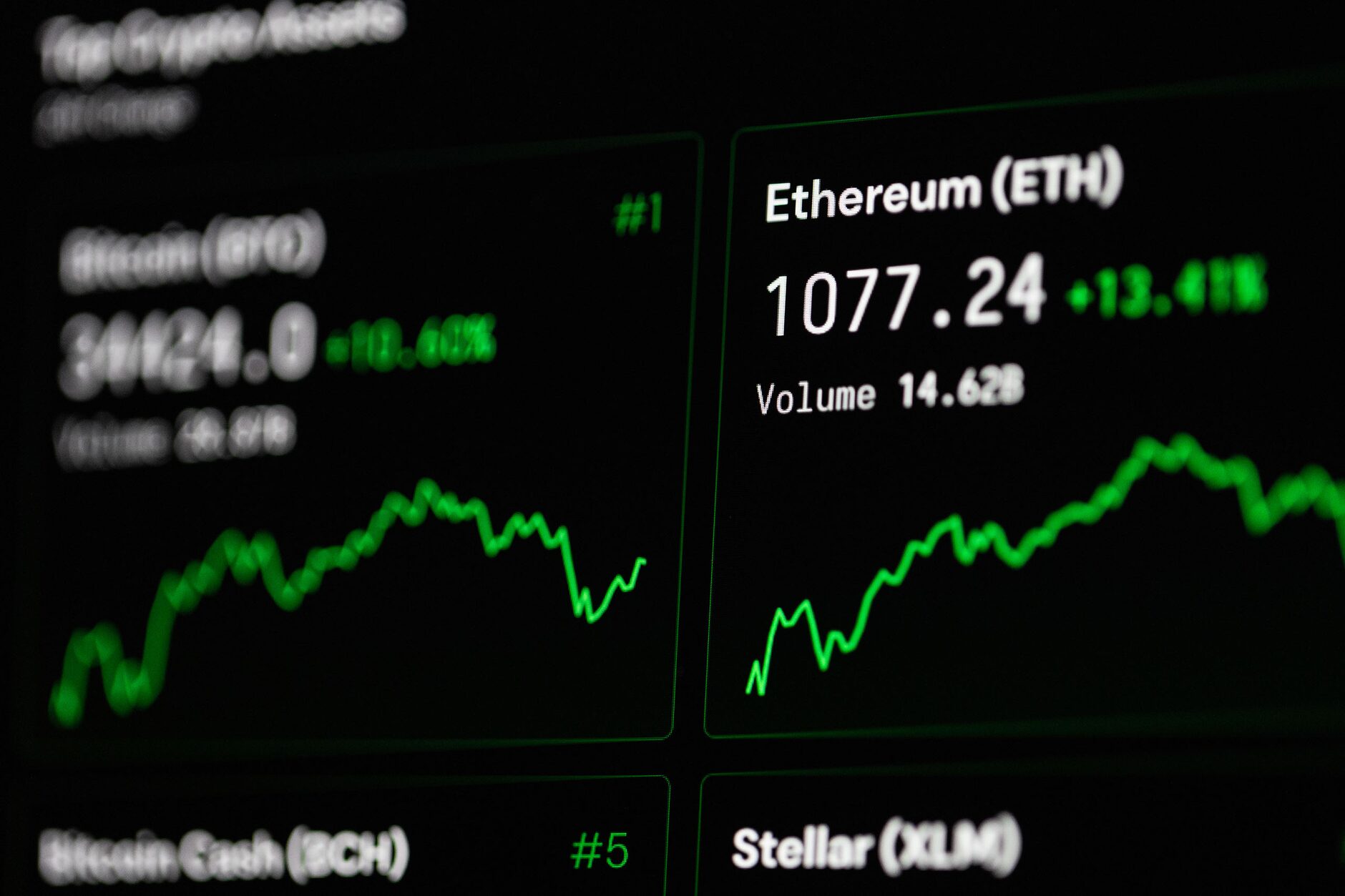

Bitcoin sentiment bearish has become a prevalent theme amid rising concerns. As the U.S. election uncertainty unfolds, market reactions are evident.
Overview of Bitcoin Price Movements
The recent fluctuations in Bitcoin prices have caught the attention of investors and analysts alike. Despite the cryptocurrency reaching a peak of over $79,000, the prevailing sentiment has turned bearish. This shift is largely attributed to the uncertainty surrounding the upcoming U.S. elections.
Several key factors have contributed to this bearish sentiment:
- Market Volatility: The unpredictable nature of Bitcoin makes it susceptible to rapid price changes.
- Regulatory Concerns: Potential regulations introduced by governments can create apprehension among investors.
- Investor Sentiment: A decline in confidence can lead to sell-offs, further driving down prices.
- Global Economic Factors: Economic instability can impact cryptocurrency investments significantly.
As these risks become more apparent, the overall outlook for Bitcoin remains cautious, with many investors waiting to see how the situation unfolds.
Factors Influencing Market Sentiment
Several factors are currently influencing market sentiment surrounding Bitcoin, contributing to a predominantly bearish outlook. These factors include:
- Regulatory Concerns: Heightened scrutiny from regulatory bodies as governments seek to establish clearer frameworks for cryptocurrency can create uncertainty.
- Macroeconomic Conditions: Inflation and interest rate fluctuations play a crucial role in investor confidence, impacting risk appetite for assets like Bitcoin.
- Market Speculation: The speculative nature of cryptocurrency investments leads to volatility, making investors wary and contributing to a bearish sentiment.
- Technological Developments: Changes in blockchain technology or competition from other cryptocurrencies can also sway investor opinions.
As the U.S. election approaches, these factors combined with external economic pressures have led to a significant shift in Bitcoin sentiment, driving it toward bearish territory.
Bitcoin Sentiment Bearish Amid Elections
The recent U.S. elections have significantly impacted investor confidence in the cryptocurrency market, leading to a bearish sentiment surrounding Bitcoin. Despite the price reaching a peak of over $79,000, uncertainty has caused many traders to reevaluate their positions.
Several factors are contributing to this shift in sentiment:
- Political Uncertainty: The outcome of the elections has left many investors anxious, as policies affecting cryptocurrencies could change drastically.
- Market Volatility: Increased fluctuation in Bitcoin prices has led to cautious trading behavior.
- Regulatory Concerns: Potential regulatory changes post-election have raised alarms, further fueling a bearish outlook.
As a result, many market analysts are advising caution, emphasizing the importance of staying informed about both political developments and their potential implications on Bitcoin’s trajectory.
Historical Trends During Election Years
Historical trends indicate that Bitcoin sentiment often turns bearish during election years, as political uncertainty can lead to increased market volatility. Investors typically react to changes in sentiment with caution, particularly when the future of regulatory frameworks is at stake.
In previous election cycles, Bitcoin has experienced significant fluctuations, influenced by:
- Policy Changes: Proposed regulations can create fear, leading to a decline in investor confidence.
- Market Reaction: Unpredictable election outcomes may trigger sell-offs, further driving down prices.
- Media Coverage: Negative news surrounding elections can amplify bearish sentiment, discouraging potential buyers.
As the current U.S. election approaches, the prevailing sentiment remains bearish, with many anticipating that uncertainty could impede Bitcoin’s upward momentum, despite recent price peaks above $79,000.
Expert Opinions on Current Market
Experts in the cryptocurrency field are expressing increasing concern as current Bitcoin sentiment bears indications of a bearish market. According to leading analysts, several factors contribute to this shift in sentiment:
- Geopolitical Uncertainty: Ongoing political events, particularly surrounding the U.S. elections, are causing investors to adopt a more cautious approach.
- Market Volatility: The recent fluctuations in Bitcoin’s price, despite peaking at over $79,000, have left many investors apprehensive.
- Regulatory Concerns: Increasing scrutiny from regulators may dampen investor enthusiasm and contribute to bearish outlooks.
Furthermore, industry experts warn that the combination of these factors could lead to a prolonged period of bearish sentiment in the market. As investors navigate this uncertain landscape, many are recommending a cautious approach to Bitcoin investments.
Impact of Political Uncertainty on Crypto
The current political landscape has a significant impact on the cryptocurrency market, particularly Bitcoin. As the Bitcoin sentiment bearish trend continues, investors are becoming increasingly cautious. The uncertainty surrounding upcoming elections can lead to volatility, which has historically affected cryptocurrency prices.
Several factors contribute to this political uncertainty:
- Policy Changes: Potential changes in regulations can create apprehension among investors.
- Market Reactions: Political events often trigger immediate market reactions, leading to rapid price fluctuations.
- Investor Sentiment: Fear and uncertainty can drive a negative sentiment, causing a further decline in prices.
As Bitcoin tops $79,000, the prevailing bearish sentiment highlights the cautious approach many are adopting. It remains essential for investors to stay informed on political developments that could influence the broader cryptocurrency market.
Future Predictions for Bitcoin Prices
As the current landscape of Bitcoin trading unfolds, predictions about future price movements have become increasingly cautious. Market analysts are expressing concerns that Bitcoin sentiment is bearish, especially in light of ongoing economic and political uncertainties.
Several factors could influence Bitcoin’s trajectory in the near term, such as:
- Regulatory Developments: New regulations could have significant impacts on market dynamics.
- Global Economic Conditions: Fluctuations in macroeconomic indicators may affect investor confidence.
- Technological Advancements: Innovations in blockchain technology may alter market perception.
- Market Manipulation Risks: Concerns about potential manipulation can deter institutional investors.
With these risks in mind, investors are urged to exercise caution and consider the implications of a bearish sentiment as they navigate the complexities of the crypto market.
Strategies for Navigating Market Volatility
As Bitcoin sentiment turns bearish amid U.S. election uncertainty, investors are seeking effective strategies to navigate the tumultuous market. Understanding and implementing these strategies can help mitigate risks associated with volatility.
Here are some proven strategies to consider:
- Diversification: Spread investments across various assets to reduce exposure to Bitcoin’s price fluctuations.
- Dollar-Cost Averaging: Invest a fixed amount regularly, regardless of market conditions, to average out purchase prices.
- Risk Management: Set stop-loss orders to protect against significant losses during market downturns.
- Stay Informed: Keep abreast of market news and trends to make timely decisions and adjust strategies accordingly.
By adopting these strategies, investors can better navigate the bearish sentiment surrounding Bitcoin and position themselves for potential recovery in the future.
As analysts continue to observe market trends, it becomes clear that Bitcoin sentiment bearish is driven by a combination of regulatory uncertainty and macroeconomic factors. Investors are increasingly cautious, leading to a heightened awareness of the proven risks associated with a declining market.