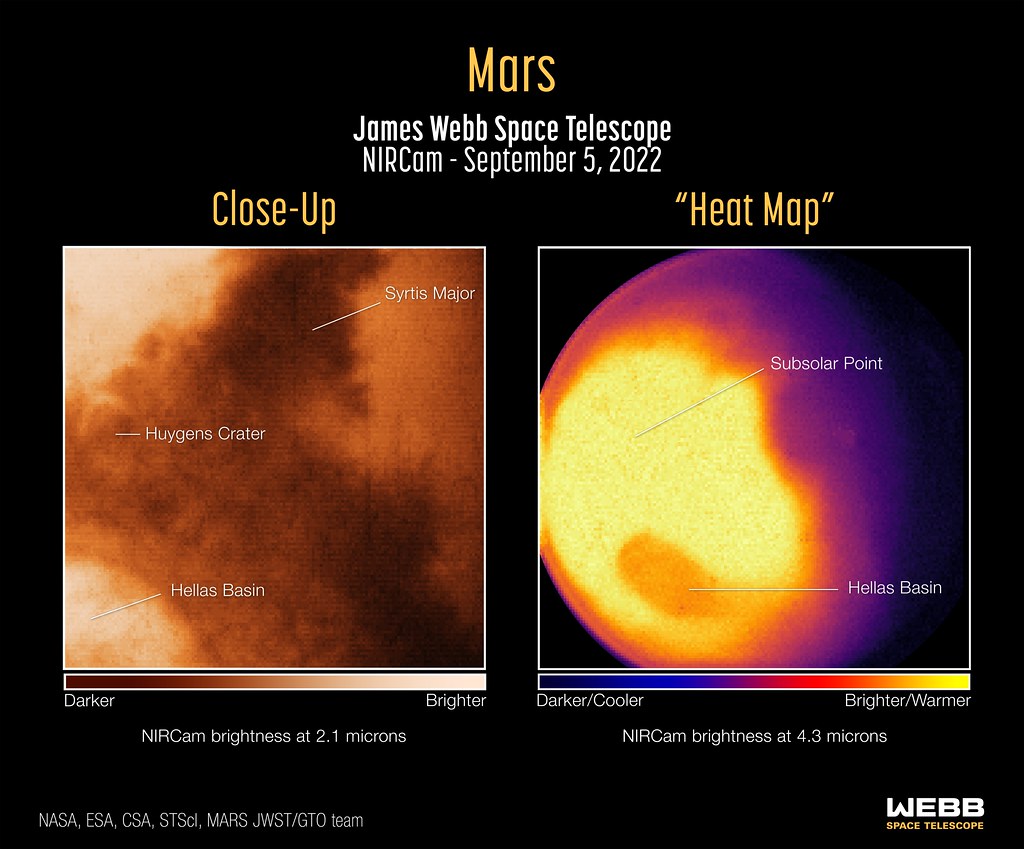
Map Mars surface is a bold initiative by China, aiming to chart the entire planet by 2028. This ambitious plan reflects the growing competition in space exploration, particularly with the United States.
China’s Ambitious Mars Mapping Plans
China has unveiled an ambitious plan to map Mars surface by 2028, positioning itself as a key player in the ongoing space exploration race with the United States. This initiative aims to provide detailed topographical and geological data, potentially transforming our understanding of the Red Planet.
The Chinese National Space Administration (CNSA) announced that the project will utilize a combination of satellite imagery and ground-based exploration. The mission will involve a series of orbiters and rovers, each equipped with advanced scientific instruments designed to capture high-resolution images and analyze the Martian terrain.
Key aspects of the plan include:
- Comprehensive Coverage: The mapping will focus on both the northern and southern hemispheres of Mars, ensuring a thorough examination of the planet.
- Collaboration: China aims to collaborate with international space agencies to enhance the quality and scope of its findings.
- Technological Innovation: The mission will leverage cutting-edge technology, including AI and machine learning, to process and interpret the vast amounts of data collected.
As the race intensifies, experts are closely watching whether China’s strategy will yield groundbreaking insights into Mars’ geological history and potential for future exploration.
The Implications of Mapping Mars
The implications of mapping Mars surface extend beyond mere exploration; they could significantly impact our understanding of the planet and the future of space missions. As nations compete to unveil the mysteries of Mars, the race to map its surface is gaining momentum.
China’s initiative to create a comprehensive map of Mars by 2028 aligns with global interests in planetary science. This ambitious plan is expected to deliver valuable data that could enhance our knowledge of the Martian landscape, geology, and potential resources.
Key implications of this mapping endeavor include:
- Scientific Discovery: A detailed map could lead to breakthroughs in understanding Mars’ history and its potential for past life.
- Resource Identification: Mapping the surface may reveal areas rich in minerals or water, crucial for future colonization efforts.
- International Collaboration: As countries share their findings, it could pave the way for cooperative missions that transcend national boundaries.
- Technological Advancements: The tools developed for mapping Mars may have applications in other fields, including Earth sciences.
Ultimately, the effort to map Mars surface could redefine humanity’s place in the universe and our approach to interplanetary exploration.
How Does China’s Plan Compare to the US?
China’s plan to map Mars surface by 2028 has ignited discussions about the comparative effectiveness of its approach versus that of the United States. While both nations aim to enhance their understanding of the Red Planet, their strategies differ significantly.
China’s strategy focuses on deploying a series of advanced satellites and landers equipped with high-resolution imaging technology. This ambitious endeavor is designed to provide a comprehensive overview of Mars’ topography, surface composition, and geological features.
In contrast, the United States has relied heavily on its existing Mars rovers and orbiters, which have provided valuable data over the years. NASA’s recent plans include extending the missions of these rovers while also preparing for future manned missions.
- Data Collection: China’s method emphasizes gathering extensive surface data through a systematic mapping approach.
- Technological Innovation: The Chinese mission includes cutting-edge instruments specifically tailored for Martian exploration.
- Long-term Vision: China’s timeline suggests a commitment to a sustained effort in planetary exploration.
As the competition intensifies, the effectiveness of these contrasting methodologies will ultimately determine which country claims a leading role in Mars exploration.
Technological Advances in Mars Exploration
Recent technological advances have significantly transformed the landscape of Mars exploration. With China revealing its ambitious plan to map Mars’ surface by 2028, these innovations play a crucial role in shaping the future of interplanetary research.
One of the most promising developments is the use of advanced autonomous drones and rovers equipped with high-resolution imaging systems. These tools allow for detailed mapping of the Martian landscape, enabling scientists to gather data more efficiently than ever before.
Additionally, the integration of artificial intelligence in data analysis has streamlined the process of interpreting vast amounts of information collected from the Martian surface. AI algorithms can identify geological features and assess potential landing sites, making it easier for future missions to target specific areas of interest.
Moreover, international collaboration has become increasingly vital. Partnerships between countries and organizations enhance resource sharing and expertise, fostering a collective effort in mapping Mars’ surface. This approach not only accelerates progress but also promotes a spirit of cooperation in the quest for knowledge about our neighboring planet.
As advancements continue to unfold, the question remains: will China’s strategy ultimately provide the most comprehensive and effective means of mapping Mars?
Challenges in Mapping the Martian Surface
Mapping the Martian surface presents a multitude of challenges that could impact the success of China’s ambitious plans. One of the primary obstacles is the planet’s harsh environmental conditions. Dust storms and extreme temperatures can hinder the effectiveness of instruments designed to capture detailed images and data.
Moreover, the vastness of Mars adds another layer of complexity. With a surface area roughly equivalent to that of Earth, the sheer scale requires significant resources and time to ensure comprehensive coverage. The need for high-resolution mapping means that every region must be thoroughly examined, which can complicate mission timelines and objectives.
Additionally, the technology employed in mapping Mars must be highly advanced and reliable. Any malfunction could lead to gaps in the data collected, ultimately affecting the overall quality of the maps produced. The necessity for continual communication between Earth and the spacecraft also poses a challenge, particularly given the distance involved.
These obstacles necessitate a well-thought-out strategy to effectively map the Martian surface. As nations like China pursue their goals, overcoming these challenges will be essential for the success of their mapping endeavors.
Future of Space Exploration
The future of space exploration is increasingly being shaped by nations vying to unlock the secrets of Mars. With China’s commitment to map Mars surface by 2028, the world is watching closely to see if this ambitious initiative will set a new standard for planetary exploration.
Several factors will influence the effectiveness of this plan, including international collaboration, technological innovation, and sustainable funding. As countries continue to invest in space missions, the need for a cooperative approach may become paramount.
China’s efforts could pave the way for enhanced scientific understanding and open opportunities for partnerships with other nations. Some key aspects to consider include:
- Data Sharing: Collaborative platforms for sharing research could accelerate discoveries.
- Resource Allocation: Joint missions may lead to optimized use of resources and technology.
- Global Standards: Establishing guidelines for Mars exploration could benefit all stakeholders.
As nations race to unlock the mysteries of the red planet, the question remains: will China’s plan prove to be the most effective strategy in mapping Mars surface and understanding its potential for future colonization?
International Collaboration in Space Missions
As nations race to explore and understand the cosmos, international collaboration has become increasingly vital in space missions, particularly in the quest to map the Mars surface. Various countries recognize that pooling resources and expertise can lead to more effective outcomes than solitary efforts.
Several space agencies, including NASA and ESA (European Space Agency), have initiated collaborative projects aimed at enhancing their capabilities. The international cooperation not only fosters innovation but also mitigates the financial burden associated with space exploration. Notably, the joint efforts have resulted in the sharing of crucial data, technology, and strategic planning, which can significantly enhance the quality and precision of Mars mapping initiatives.
Moreover, collaboration could also address some of the challenges faced in Martian exploration, such as communication delays and environmental hazards. Through partnerships, countries can leverage each other’s strengths, maximizing the potential for breakthroughs in understanding the Martian landscape.
In this context, China’s ambitious plan to map the entire surface of Mars by 2028 could benefit from international teamwork. By inviting collaboration, China might not only accelerate its mission but also contribute to a collective understanding of Mars that transcends national borders.
China’s ambitious strategy to map Mars surface aims to provide unprecedented insights into the planet’s geology and potential for future exploration. By utilizing advanced technology, they hope to create a comprehensive map Mars surface that will aid in understanding its history and resources.
By James Webb Space Telescope via Openverse