

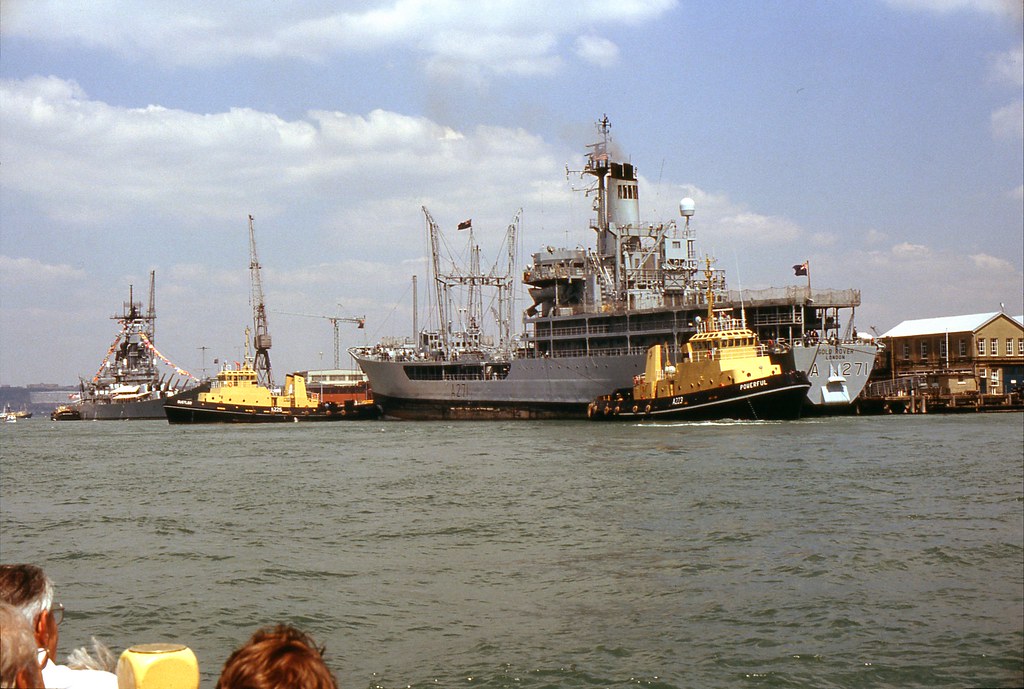
Ocean freight rates are experiencing a significant decline, impacting global logistics and trade. This trend raises questions about the future of shipping and related markets.
Current Trends in Ocean Freight Rates
Recent reports indicate that ocean freight rates are experiencing a notable decline, reflecting shifts in global trade dynamics. As demand for shipping services fluctuates, several factors contribute to this downward trend.
Key influences on the current state of ocean freight rates include:
- Decreased demand: A sharp drop in bauxite market activity has led to fewer shipping contracts, which in turn pressures rates downwards.
- Increased shipping capacity: The introduction of new vessels has created an oversupply in the market, further driving down costs.
- Changing trade routes: Alterations in trade agreements and geopolitical tensions are prompting shifts in shipping routes and volumes.
As industry stakeholders assess the implications of these trends, the long-term outlook for ocean freight rates remains uncertain, prompting shippers to adapt their strategies accordingly.
Impact of Declining Rates on Shipping
The recent decline in ocean freight rates is having a significant impact on the shipping industry. With shipping costs falling, several factors are coming into play that could reshape market dynamics.
Firstly, lower rates tend to increase competition among shipping lines, as companies strive to secure more cargo by offering attractive pricing. This can lead to:
- Increased cargo volume: As freight costs decrease, businesses may be more inclined to import or export goods, leading to a surge in shipping activities.
- Profit margin pressures: While lower ocean freight rates can boost demand, shipping companies may face reduced profit margins, forcing them to optimize operations.
- Market volatility: The fluctuation in rates can create uncertainty, affecting long-term contracts and strategic planning for many businesses.
Overall, the decline in ocean freight rates presents both opportunities and challenges, necessitating careful navigation by industry stakeholders to adapt to these changes.
Bauxite Market Activity Overview
The bauxite market is experiencing significant fluctuations as ocean freight rates continue to decline. Recent reports indicate a sharp drop in activity, which has raised concerns among industry stakeholders.
Several key factors are influencing this downturn:
- Global Demand: A weakening demand for aluminum has led to reduced bauxite shipments.
- Supply Chain Adjustments: Companies are re-evaluating their logistics strategies in response to changing ocean freight rates.
- Price Volatility: The instability in raw material prices is prompting buyers to hold off on large purchases.
As the bauxite market grapples with these challenges, the decline in ocean freight rates may provide some relief for shipping costs. However, the overall impact on bauxite production and pricing remains uncertain, as stakeholders closely monitor the evolving landscape.
The coming months will be crucial for assessing how these trends will shape the future of the bauxite industry amidst fluctuating ocean freight rates.
Factors Influencing Freight Rate Changes
Several factors are influencing the changes in ocean freight rates, particularly in the context of the recent decline. Understanding these elements is crucial for stakeholders in the shipping and logistics sectors.
- Supply and Demand Dynamics: An oversupply of shipping capacity has led to increased competition among carriers, driving rates down.
- Economic Conditions: Global economic fluctuations, including trade tensions and inflation, can significantly impact shipping volumes and, consequently, freight rates.
- Fuel Costs: Changes in fuel prices affect operational costs for shipping companies, which can influence the rates they charge.
- Port Congestion: Delays at ports can disrupt schedules, leading to inefficiencies that may alter freight pricing structures.
- Technological Advances: Innovations in logistics and shipping management can streamline operations, lowering costs and potentially reducing freight rates over time.
These factors collectively contribute to the evolving landscape of ocean freight rates, making it essential for industry players to stay informed.
Future Predictions for Ocean Freight
As the shipping industry navigates through fluctuating economic conditions, future predictions for ocean freight rates remain a topic of considerable discussion. Analysts suggest that the recent decline may continue into the next quarter, driven by a combination of overcapacity and decreasing demand across various sectors.
Several key factors are anticipated to influence the trajectory of freight rates:
- Global Economic Growth: A slowdown in economic activity could lead to lower import and export volumes, further impacting rates.
- Supply Chain Adjustments: Companies adjusting their supply chains to mitigate costs may contribute to decreased demand for shipping services.
- Environmental Regulations: Stricter environmental policies may lead to increased operational costs for shipping companies, affecting freight pricing.
While some experts predict that a stabilization of rates may occur in the second half of the year, others remain cautious, urging stakeholders to prepare for potential volatility in the market.
Comparative Analysis with Previous Years
In recent years, ocean freight rates have experienced significant fluctuations, reflecting broader market trends and economic conditions. A comparative analysis reveals that the current decline in rates is not an isolated event but part of an ongoing trend.
When examining data from previous years, several key observations emerge:
- 2019-2020: Rates were relatively stable, averaging around $1,800 per container.
- 2021: A dramatic surge occurred, with rates peaking at over $5,000 due to supply chain disruptions caused by the pandemic.
- 2022: Rates began to moderate, settling around $3,000 as global trade patterns adjusted.
- 2023: Currently, ocean freight rates are declining further, dropping to approximately $2,200, influenced by reduced demand and increased shipping capacity.
This comparative analysis underscores the cyclical nature of ocean freight rates and highlights how current declines reflect broader economic shifts.
Logistics Industry Response to Rate Changes
The logistics industry is closely monitoring the recent decline in ocean freight rates, which has prompted various responses from key players. Companies are adapting their strategies to navigate the shifting market landscape and mitigate potential losses.
Some logistics providers are implementing the following measures:
- Cost Optimization: Businesses are reassessing their supply chain operations to identify areas for cost savings, ensuring that they can maintain profitability despite decreasing freight rates.
- Service Diversification: Many are exploring alternative shipping routes and modes of transportation to offer clients more flexible options while reducing reliance on traditional ocean freight.
- Enhanced Technology: The adoption of advanced tracking and logistics management software is on the rise, allowing companies to respond more efficiently to changing rates and client demands.
In this dynamic environment, firms that can swiftly adapt to the realities of declining ocean freight rates are likely to thrive, positioning themselves for future growth.
Expert Opinions on Market Trends
Industry experts are weighing in on the recent shifts in ocean freight rates, emphasizing the potential long-term implications for global shipping and trade. According to Dr. Emily Carter, a leading logistics analyst, “The decline in ocean freight rates is a reflection of changing demand patterns. As economies adjust post-pandemic, we may see fluctuations continue.”
Another expert, Mark Johnson, noted that the current trends are also influenced by significant drops in the bauxite market. He stated, “The bauxite sector’s slowdown has a cascading effect on shipping logistics, further contributing to declining ocean freight rates.”
In addition, Linda Greer, a supply chain consultant, pointed out that while lower rates may benefit importers, they could pose challenges for shipping companies struggling to maintain profitability. “Understanding the dynamics at play is crucial for stakeholders as they navigate this shifting landscape,” she emphasized.
As these experts suggest, the evolving ocean freight rates will require careful observation and strategic adaptation from all involved parties.
By Sir Hectimere via Openverse
Sources
Related stories
Let’s Game Now funding: Is it the Best Investment Opportunity? · FTAI Aviation Earnings Report Shows Clear Growth · HUL vs Nestle India: Which Stock is the Best Investment?