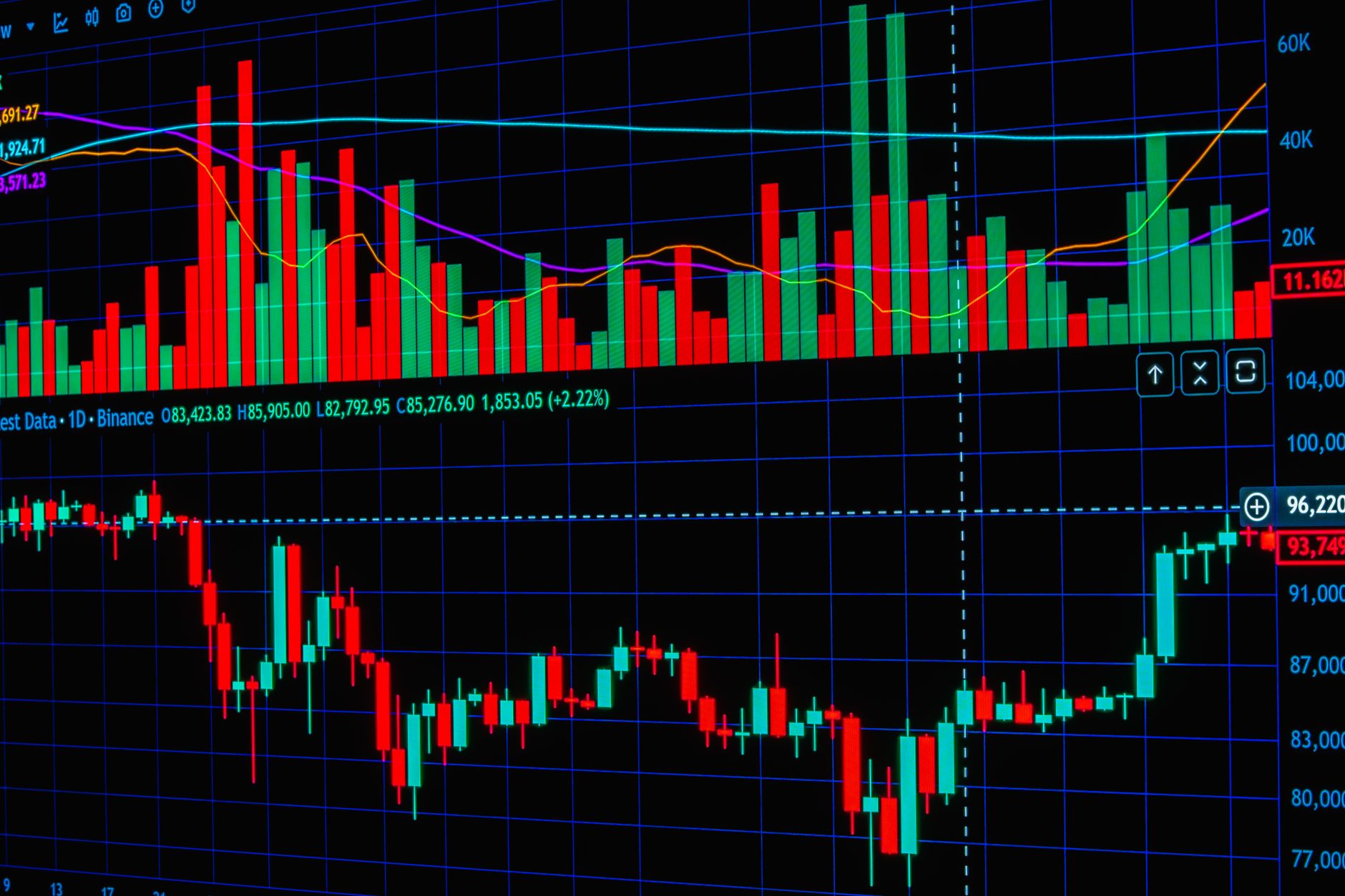
Stock Markets Decline as both the Sensex and Nifty experienced a downturn after two consecutive days of gains. This shift has raised concerns among investors.
Market Overview Today
Today, the stock markets experienced a significant decline, marking the worst day for both the Sensex and Nifty indices. After two consecutive days of gains, investors were caught off guard as selling pressure mounted across various sectors.
The Sensex fell sharply by over 800 points, while the Nifty dropped more than 250 points. Analysts attribute this downturn to a combination of factors, including rising inflation expectations and uncertainties surrounding global economic conditions.
Market sentiment was further dampened by:
- Weak cues from international markets.
- Profit booking by investors after recent rallies.
- Concerns over corporate earnings forecasts.
The decline in stock markets raises questions about future performance, as investors remain cautious in the face of ongoing volatility.
Factors Contributing to Decline
The recent stock markets decline can be attributed to several key factors that have shaken investor confidence. Analysts have identified the following contributing elements:
- Global Economic Concerns: Worries about a potential slowdown in major economies have led to increased market volatility.
- Interest Rate Hikes: Speculations regarding future interest rate increases by central banks have made investors cautious.
- Corporate Earnings Reports: Disappointing quarterly results from significant companies have raised concerns over profitability.
- Geopolitical Tensions: Ongoing geopolitical issues have created uncertainty in the markets, prompting a sell-off.
These factors combined have resulted in significant pressure on both the Sensex and Nifty, marking one of the worst days for the indices in recent months.
Expert Opinions on Market Trends
Experts have weighed in on the recent trends following the significant decline in stock markets, marking the worst day for both Sensex and Nifty. Analysts suggest that the downturn is a result of a combination of global economic uncertainties and investor sentiment shifting towards caution.
According to Rajesh Kumar, a senior market analyst, “The stock markets decline is a reflection of underlying fears about inflation and interest rates. Investors are reacting to potential policy changes that might impact growth.”
Another expert, Priya Sharma, noted, “The volatility we are witnessing is likely to continue in the short term. It’s crucial for investors to stay informed and consider long-term strategies rather than react impulsively.”
As the market adjusts, many are urging caution and a focus on solid fundamentals to navigate the current challenges.
Historical Context of Market Fluctuations
The recent decline in stock markets has drawn comparisons to past fluctuations, highlighting the cyclical nature of market performance. Historical data shows that both the Sensex and Nifty have experienced significant downturns following periods of growth.
For instance, during the global financial crisis of 2008, markets plummeted, similar to the current scenario where investors reacted to economic uncertainties. This pattern is not new, as market corrections often follow bullish trends.
- 2008 Financial Crisis: A drastic drop in indices following a housing market collapse.
- 2016 Brexit Vote: Markets reacted sharply to political uncertainties, causing a temporary decline.
- COVID-19 Pandemic: A sudden crash followed by a rapid recovery, showcasing volatility.
The latest stock markets decline serves as a reminder that investors should remain vigilant during such fluctuations.
Future Predictions for Investors
As investors digest the recent downturn, predictions for the stock markets decline suggest a cautious approach moving forward. Analysts emphasize the importance of closely monitoring economic indicators and geopolitical developments that could influence market stability.
In light of the current volatility, many experts recommend diversifying portfolios to mitigate risks. Here are some potential strategies:
- Invest in defensive stocks: Companies in essential sectors may offer more stability.
- Look for undervalued opportunities: Market corrections can present chances to buy quality stocks at lower prices.
- Focus on long-term growth: Staying invested may yield better returns despite short-term fluctuations.
Ultimately, navigating the stock markets decline requires patience and strategic planning, as the landscape continues to evolve.
Impact on Retail Investors
The recent stock markets decline has sent shockwaves through the investing community, particularly affecting retail investors. Many individuals who entered the market during the recent bullish phase are now facing substantial losses. The steep drop in indices like the Sensex and Nifty has left these investors questioning their strategies and long-term plans.
Several factors have contributed to this turmoil:
- Increased market volatility
- Rising interest rates
- Global economic uncertainties
As the markets react to these challenges, retail investors are urged to reassess their portfolios and consider diversifying their investments. Maintaining a long-term perspective may help mitigate the impact of short-term fluctuations, allowing them to navigate this difficult period more effectively.
Conclusion and Key Takeaways
In conclusion, today’s significant drop in stock markets highlights the volatility that investors face in the current economic landscape. The decline was marked as the worst day for both the Sensex and Nifty, indicating a shift in market sentiment after two consecutive days of gains. Investors are advised to remain cautious and informed as they navigate this uncertain terrain.
Key takeaways from today’s market activity include:
- Market Volatility: The current decline underscores the unpredictable nature of the stock markets.
- Investor Sentiment: The shift in momentum suggests that investor confidence may be waning.
- Strategic Planning: Retail investors should consider diversifying their portfolios to mitigate risks associated with such declines.
- Monitoring Trends: Staying updated on market trends is essential for making informed investment decisions.
Overall, the recent stock markets decline serves as a reminder of the importance of vigilance in investment strategies.
The recent Stock Markets Decline has left investors anxious about the future. Analysts are warning that this could be just the beginning of a more significant downturn as Stock Markets Decline continue to affect global economies.
Photo by Leeloo The First on Pexels
Read the original
Related stories
Bajaj Finance FD rates: Best Proven Returns for Seniors · Matangi Rubber IPO: The Best Review and Allotment Details · SME IPOs today: Strong Demand for Proven Listings