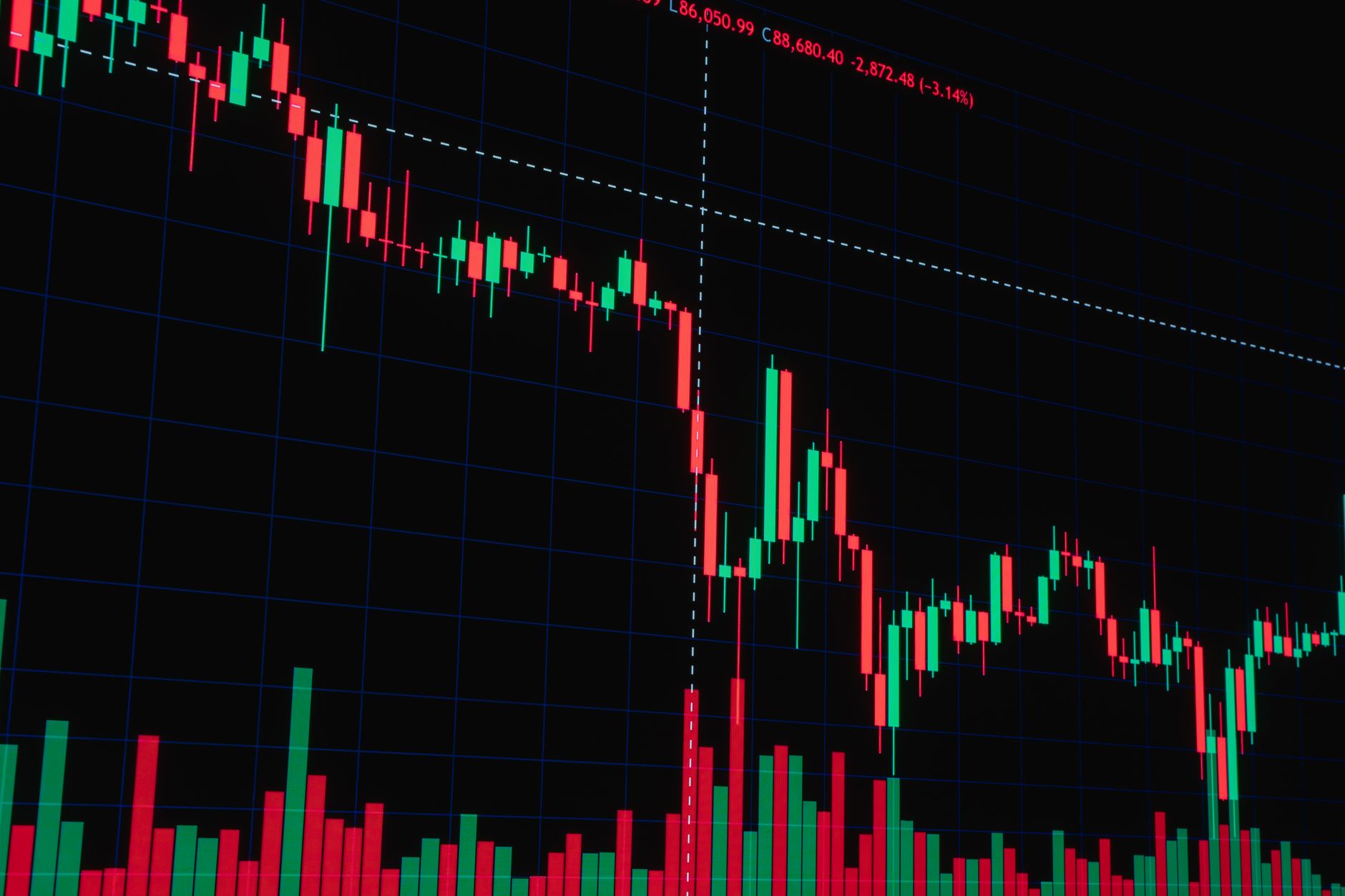

Bank Nifty all-time high has been reached as it surges 2.5% to hit 64,600. This remarkable achievement highlights the strength of the banking sector in the current market.
Understanding the Bank Nifty
The Bank Nifty, a benchmark index representing the performance of major banking stocks in India, has recently made headlines by reaching an all-time high of 64,600. This remarkable surge of 2.5% has sparked discussions among investors regarding its implications for the financial market.
Understanding the Bank Nifty is crucial for investors looking to capitalize on this upward trend. The index comprises key players in the banking sector, including:
- IndusInd Bank
- Axis Bank
- HDFC Bank
- ICICI Bank
These banks have shown consistent performance, contributing significantly to the index’s growth. The recent all-time high raises questions about whether this is the best time to invest. Experts suggest that while the current momentum is positive, investors should consider various factors such as market conditions, individual stock performance, and economic indicators before making investment decisions.
In summary, the Bank Nifty all-time high signifies a pivotal moment in the banking sector, prompting investors to analyze potential opportunities.
Key Factors Behind the Surge
The recent surge in the Bank Nifty, which reached an all-time high of 64,600, can be attributed to several key factors that have positively influenced investor sentiment and market dynamics.
- Strong Quarterly Earnings: Major banking institutions reported impressive quarterly results, showcasing robust profitability and asset quality, which boosted investor confidence.
- Interest Rate Policies: The Reserve Bank of India’s accommodative monetary policy has kept interest rates low, encouraging borrowing and thus benefiting banks.
- Increased Credit Demand: A resurgence in economic activities post-pandemic has led to a higher demand for credit, further strengthening the banking sector.
- Government Initiatives: Policy reforms aimed at enhancing infrastructure and financial inclusion have created a more favorable operating environment for banks.
- Foreign Investments: Increased foreign direct investments in the banking sector have also played a crucial role in driving the Bank Nifty to its all-time high.
These factors collectively position the Bank Nifty as an attractive investment opportunity, prompting discussions around whether it is indeed the best time to invest.
IndusInd and Axis Bank Performance
The recent surge in the Bank Nifty, which hit an all-time high of 64,600, has been significantly influenced by the performances of major players like IndusInd Bank and Axis Bank. Both banks have shown remarkable resilience and growth amidst fluctuating market conditions.
IndusInd Bank has reported impressive quarterly earnings, showcasing a robust increase in net interest income and a significant reduction in non-performing assets. This positive outlook has attracted investors, contributing to the Bank Nifty all-time high.
Axis Bank, on the other hand, has also demonstrated strong financials, with a notable increase in customer deposits and advances. The bank’s strategic initiatives to enhance its digital services have positioned it well in a competitive landscape, further bolstering investor confidence.
As the Bank Nifty continues to reach new heights, market analysts suggest that these performances are indicative of a broader trend within the banking sector. Investors are keenly observing whether this momentum will sustain and if it is indeed the best time to invest in stocks like IndusInd and Axis Bank.
Market Reactions and Predictions
The recent surge of 2.5% in the Bank Nifty, leading to an all-time high of 64,600, has elicited varied reactions from market participants and analysts. Many investors are now contemplating whether this is the best time to invest in banking stocks or if caution is warranted.
Market experts have highlighted several factors contributing to this unprecedented rise:
- Strong quarterly results: Major banks like IndusInd and Axis Bank have reported robust earnings, further boosting investor confidence.
- Economic recovery: With the economy showing signs of resilience, the banking sector is expected to benefit significantly.
- Low interest rates: Continued low-interest rates have made borrowing more attractive, stimulating demand for loans.
However, some analysts caution against potential market corrections. While the Bank Nifty all-time high may signal an optimistic outlook, investors are advised to assess their risk tolerance and market conditions carefully before making investment decisions.
Investment Strategies Post-Surge
As the Bank Nifty reaches an all-time high of 64,600, investors are contemplating their next moves in the burgeoning market. The surge presents both opportunities and risks, prompting the need for strategic investment approaches.
Experts suggest several key strategies for navigating this peak:
- Diversification: Spreading investments across various sectors can mitigate risks associated with market volatility.
- Profit Booking: Taking profits from high-performing stocks may be prudent, especially if valuations appear stretched.
- Research and Analysis: Continuous monitoring of market trends and company performance is essential to make informed decisions.
- Long-term Perspective: Focusing on long-term growth rather than short-term gains can yield better results, particularly in a fluctuating market.
- Utilizing Stop-Loss Orders: Implementing stop-loss orders can help protect investments against significant downturns.
In conclusion, while the Bank Nifty all-time high offers exciting prospects, investors should tread carefully to ensure sustainable growth.
Historical Context of Bank Nifty
The Bank Nifty, a benchmark index representing the performance of major banking stocks in India, has witnessed significant fluctuations since its inception. Over the years, it has become a crucial indicator of the financial health of the banking sector and the overall economy. The recent surge of 2.5% that propelled the index to an all-time high of 64,600 marks a pivotal moment in its history.
Historically, the Bank Nifty has experienced various peaks and troughs, influenced by factors such as economic reforms, regulatory changes, and global market trends. Investors have often viewed these fluctuations as opportunities for growth. In particular, the index saw considerable momentum during periods of economic expansion, with banks playing a central role in credit growth and capital formation.
As the Bank Nifty reaches this new all-time high, it raises questions about sustainability and potential corrections. Analysts suggest that understanding past performance can provide valuable insights into future trends.
- 2000s: Initial growth driven by liberalization.
- 2008: Recession-induced decline.
- 2020: Recovery post-pandemic.
Expert Opinions on Future Trends
Experts are closely monitoring the recent surge of the Bank Nifty, which has reached an all-time high of 64,600. Many analysts believe this milestone indicates a strong bullish sentiment in the banking sector, suggesting potential for further growth. Rahul Mehta, a financial analyst at Market Insights, states, “The Bank Nifty all-time high reflects robust fundamentals and a favorable economic environment. Investors should consider this a critical time to evaluate their positions.”
Conversely, some experts urge caution. Anjali Sharma, a market strategist, notes that while the current momentum is impressive, market corrections are a natural occurrence. “Timing the market is challenging. Investors must stay informed about global economic conditions and local policy changes,” she cautions.
In summary, experts present a mixed view. While the all-time high of the Bank Nifty signals potential opportunities, they emphasize the importance of a balanced approach to investment. Key considerations include:
- Global economic trends
- Interest rate movements
- Corporate earnings reports
Conclusion: What Investors Should Know
In conclusion, the recent surge of the Bank Nifty to an all-time high of 64,600 raises several important considerations for investors. While the momentum is undoubtedly strong, it is essential to approach this peak with a balanced perspective.
Investors should be aware of the following points:
- Market Volatility: The financial markets can be unpredictable, and a rapid ascent may lead to corrections. It is crucial to remain vigilant and prepared for potential fluctuations.
- Long-term vs. Short-term: Investors should assess their investment horizon. While short-term gains may be enticing, a long-term strategy often yields more sustainable returns.
- Sector Analysis: The performance of key players like IndusInd and Axis Bank indicates strength within the sector, but it is wise to diversify across different industries to mitigate risks.
- Economic Indicators: Keep an eye on macroeconomic factors that could influence the banking sector, including interest rates and regulatory changes.
Ultimately, whether now is the best time to invest in the Bank Nifty all-time high depends on individual risk tolerance and investment goals.
The recent surge in the Bank Nifty all-time high has prompted many investors to reconsider their strategies. With the Bank Nifty all-time high, experts are divided on whether it is indeed the best time to invest.