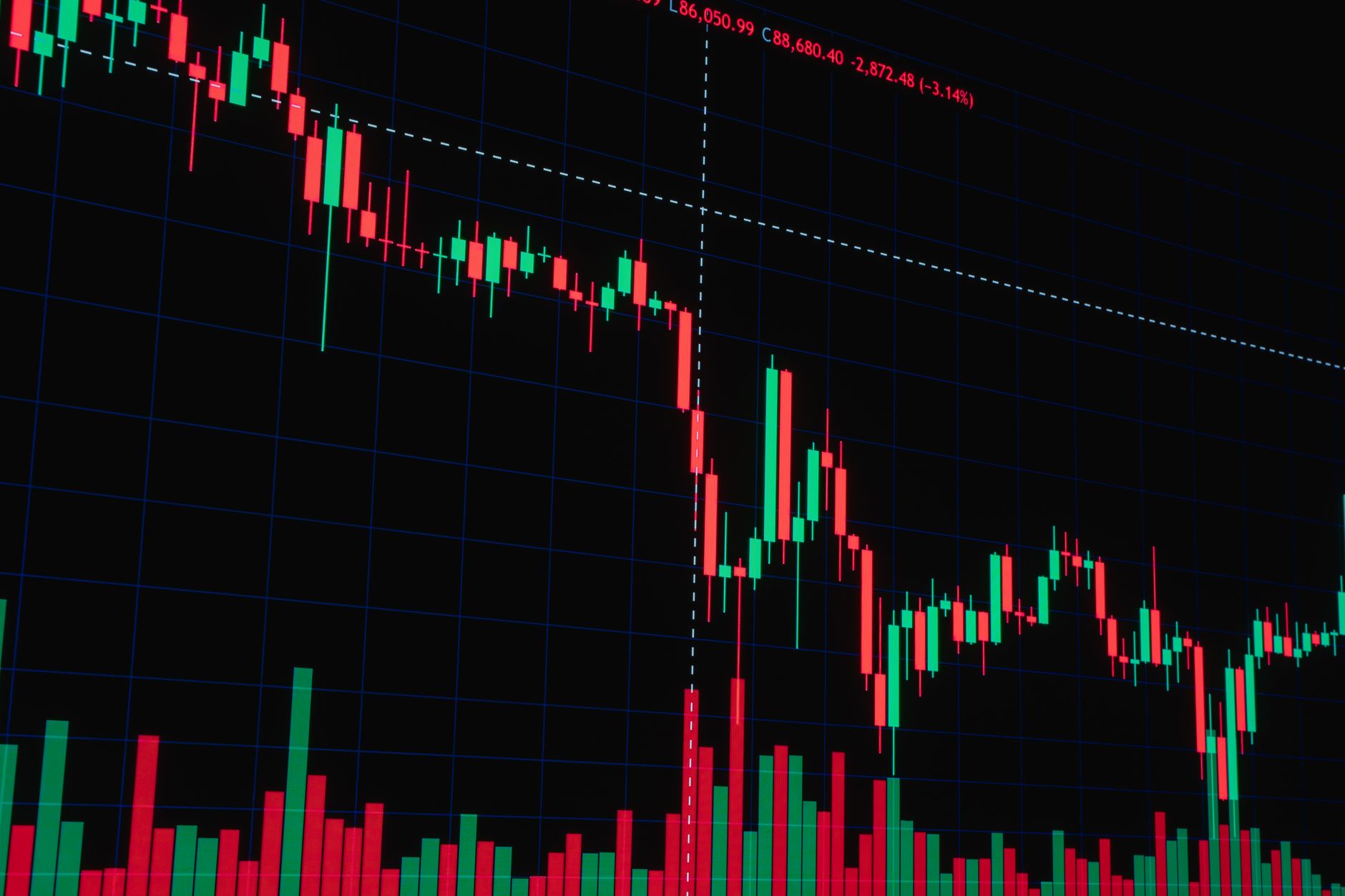
Stock Market Down has become a pressing concern for investors as the Sensex sinks over 1,000 points and Nifty slips below 22,900, signaling a significant loss for bulls.
Understanding Today’s Market Drop
Today, the stock market down trend has alarmed investors as major indices suffered significant losses. The Sensex plummeted over 1,000 points, while the Nifty slipped below the crucial 22,900 mark, marking one of the worst days for bulls in recent memory.
This downturn can be attributed to several key factors:
- Global Economic Concerns: Geopolitical tensions and inflation worries have led to a more cautious outlook among investors worldwide.
- Corporate Earnings Disappointments: Several major companies reported earnings that fell short of expectations, raising concerns over economic growth.
- Interest Rate Hikes: Anticipations of further interest rate increases by central banks have put additional pressure on markets.
- Market Sentiment: Fear and uncertainty have led to a sell-off as bulls retreat from their positions.
- Technical Factors: Key support levels were breached, triggering automated selling and exacerbating the decline.
As the day progressed, traders and analysts monitored the situation closely, trying to understand the implications of this market drop. Many are now debating whether this is a temporary setback or indicative of a deeper trend. In any case, the current stock market down scenario reflects the volatile nature of trading and highlights the importance of staying informed in these uncertain times.
Key Triggers Behind the Decline
The recent downturn in the stock market has left many investors reeling as they witness significant losses. Analysts point to several key triggers behind the decline that has resulted in the stock market down phenomenon.
- Rising Interest Rates: The Federal Reserve’s decision to increase interest rates has created a ripple effect across the financial landscape. Higher borrowing costs are making it more expensive for businesses to finance growth, leading to concerns about future earnings.
- Inflation Concerns: Persistent inflation has raised questions about consumer spending power. As prices continue to rise, consumers may cut back on discretionary spending, which can adversely affect company revenues.
- Global Economic Uncertainty: Ongoing geopolitical tensions and supply chain disruptions are creating a climate of uncertainty. Investors are wary of potential impacts on global trade and economic stability, which can lead to stock market volatility.
- Earnings Reports: Recent corporate earnings reports have not met expectations, causing stocks to drop significantly. A lack of strong guidance from companies has further fueled fears about the market’s direction.
- Market Sentiment: A general sense of pessimism among investors can lead to panic selling. As more individuals react to negative news, the downward spiral can accelerate, contributing to the overall stock market down trend.
Understanding these factors is essential for navigating the current landscape and making informed investment decisions.
Expert Opinions on Market Recovery
As the stock market down trend continues, experts are weighing in on the potential for recovery in the coming weeks. Many analysts believe that the current downturn may present buying opportunities for long-term investors. Dr. Emily Carter, a prominent market analyst, stated, “While today’s losses are significant, history shows that markets are resilient. It is crucial for investors to remain calm and focus on fundamentals rather than short-term fluctuations.”
Another expert, Mr. James Liu, emphasized the importance of diversification in times like these. He noted, “The stock market down period can feel daunting, but diversifying your portfolio can help mitigate risks. Investors should consider reallocating assets into sectors that traditionally perform well during downturns.”
Many market strategists are advising against panic selling. Ms. Rita Patel warned, “Selling in a panic often leads to missed opportunities for recovery. It’s essential to assess your financial goals and stick to your investment strategy.”
In light of these expert insights, a consensus is emerging that while the current stock market down phase is challenging, it is not the end of positive trends. Investors are encouraged to stay informed and consider the long-term implications of their investment choices.
Overall, the sentiment among experts is one of cautious optimism, with a focus on strategic planning and patience during these turbulent times.
What Investors Should Watch For
As the stock market down trend continues, investors should remain vigilant and focus on several key indicators that may signal future movements. Understanding these factors can help in making informed decisions during this tumultuous period.
- Market Sentiment: Watch for shifts in investor sentiment. A sudden increase in volatility could indicate panic selling or a potential reversal. Monitoring social media and news outlets can provide insights into public perception.
- Economic Indicators: Keep an eye on upcoming economic reports, such as employment figures and GDP growth. These can significantly impact market dynamics and investor confidence.
- Interest Rates: Changes in interest rates often correlate with stock market performance. Investors should be aware of any announcements from central banks that could influence borrowing costs and market liquidity.
- Corporate Earnings: Earnings season can be a pivotal moment for stocks. Review quarterly earnings reports for major companies, as they can affect overall market trends.
- Global Events: Geopolitical tensions and international trade developments can lead to market fluctuations. Staying informed about global news is essential for anticipating potential impacts on the U.S. stock market.
In conclusion, while the stock market down trend poses challenges, being proactive and informed can aid investors in navigating these uncertain waters.
Historical Context of Market Fluctuations
The stock market downtrend observed recently is not an isolated incident but part of a broader historical context characterized by fluctuations that have impacted investors over the years. Understanding these past trends provides valuable insights into current market behavior and potential recovery paths.
Historically, the stock market has experienced periods of significant gains followed by sharp corrections. Notable instances include:
- The Dot-com Bubble (1999-2000): Rapid growth in technology stocks led to a dramatic crash, with the NASDAQ losing nearly 78% of its value by 2002.
- The Financial Crisis (2007-2009): Triggered by the housing market collapse, this period saw a steep decline in stock values, with the S&P 500 losing over 50% of its value.
- The COVID-19 Pandemic (2020): Initially causing a market crash in March, it was followed by a swift recovery, showcasing the market’s volatility and resilience.
These historical precedents highlight that while current market conditions may appear dire, there are opportunities for recovery as well. Investors often witness rebounds following significant declines, although timing and strategy remain crucial. The current stock market downtrend serves as a reminder of the cyclical nature of financial markets and the importance of informed decision-making.
Photo by Rafael Minguet Delgado on Pexels
Sources
The Economic Times · Stock market downturn of 2002
Tonbo Imaging IPO: The Best Steps for Subscription Status · Q2 results 2026: What are the Best Earnings Announcements? · Term Life Insurance: The Right Choice for Your Family’s Future