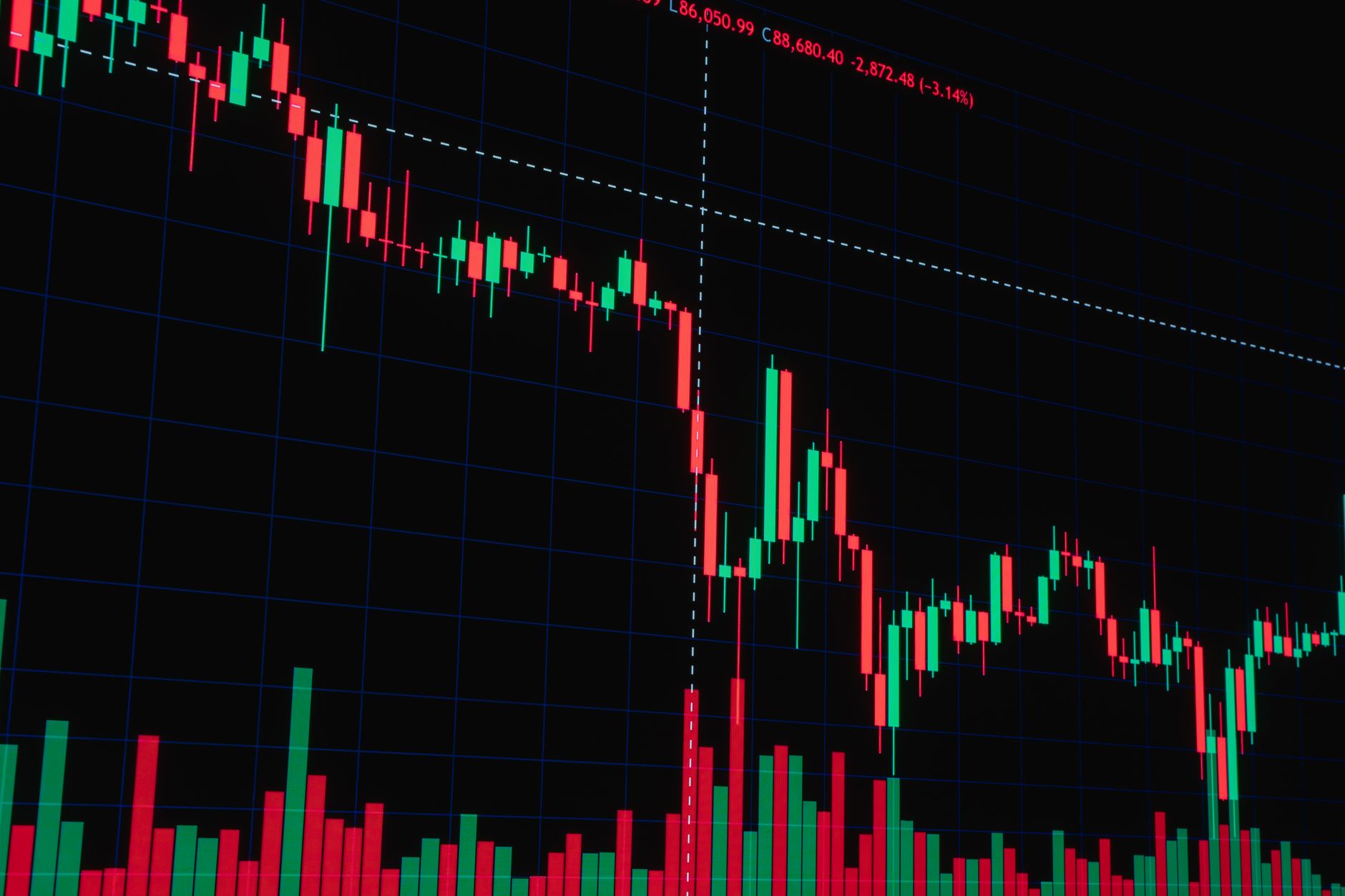
copper prices fall as LME stocks edge higher, reflecting easing concerns over mine supply. This shift could influence market trends and investor sentiment.
Understanding the Current Copper Market
The copper market is currently experiencing significant fluctuations, primarily driven by changes in the London Metal Exchange (LME) stock levels. Recently, copper prices fell as LME stocks edged higher, indicating a potential oversupply in the market. This shift has garnered attention from investors and analysts alike, as it reflects broader trends that could impact future pricing.
Several factors have contributed to the current dynamics of copper prices:
- Increased LME Stock Levels: The rise in LME stocks suggests that the supply of copper is outpacing demand, leading to downward pressure on prices.
- Mining Supply Concerns Easing: Recent reports indicate that mining operations are stabilizing, alleviating fears of supply shortages that had previously driven prices up.
- Global Economic Indicators: Economic data from major markets influences copper demand, with signs of slowing growth potentially dampening consumption rates.
As the market adjusts to these developments, stakeholders are keeping a close watch on copper prices, which may continue to fall if the supply-demand imbalance persists. Understanding these factors is crucial for investors and companies reliant on copper, as they navigate the complexities of a changing market landscape.
Factors Influencing Copper Prices
The recent decline in copper prices has raised questions about the various factors influencing this trend. Several key elements contribute to the fluctuations observed in the market.
- LME Stock Levels: An increase in London Metal Exchange (LME) stocks often signals a surplus in supply, which can lead to falling prices. With rising stock levels, traders can expect a more competitive market, making it difficult for prices to maintain their previous highs.
- Mine Supply Concerns: Easing concerns regarding mine supply have also played a significant role. When supply disruptions are anticipated, prices tend to surge. However, as these concerns diminish, the market reacts by pushing copper prices lower.
- Global Demand: The demand for copper, particularly from emerging markets, can significantly impact prices. A slowdown in industrial activity or construction projects can lead to decreased demand, further contributing to the falling prices.
- Economic Indicators: Economic data, such as manufacturing reports and GDP growth rates, can influence investor sentiment. Positive indicators may boost demand forecasts, while negative news can exacerbate the decline in copper prices.
In conclusion, the current drop in copper prices is influenced by a complex interplay of stock levels, supply concerns, demand fluctuations, and broader economic conditions.
LME Stock Trends and Their Effects
The London Metal Exchange (LME) has recently reported a notable increase in copper stocks, which has contributed to the current trend where copper prices fall. As inventories rise, traders often perceive a surplus in the market, leading to decreased demand and lower prices.
Several key factors are influencing these stock trends:
- Increased LME Stocks: The LME has seen a steady accumulation of copper stocks, signaling that supply is outpacing demand in the short term.
- Mine Supply Recovery: Recent improvements in mine production have eased previous supply concerns, further exacerbating the situation of excess copper on the market.
- Global Economic Indicators: Economic data from major consumer countries has shown mixed signals. While some regions are experiencing growth, others are facing slowdowns, which affects copper demand forecasts.
The combination of these factors creates a complex backdrop for copper prices. Traders and analysts are closely monitoring LME stock levels, as continued increases could put further downward pressure on prices. As the market adjusts, the ripple effects on related industries, including construction and manufacturing, may become more pronounced.
Mine Supply Concerns: What You Need to Know
The recent fluctuations in copper prices have been heavily influenced by various factors, particularly mine supply concerns. As the London Metal Exchange (LME) stock levels rise, the market is responding to the shifting dynamics of supply and demand.
Several key aspects regarding mine supply need to be considered:
- Increased Production: Recent reports indicate that several copper mines are ramping up production. This increase is expected to alleviate some of the supply constraints that have previously impacted prices.
- Geopolitical Factors: Political stability in key copper-producing nations, such as Chile and Peru, has contributed to a more reliable output. Any disruptions in these regions can lead to fluctuations in supply and, subsequently, copper prices.
- Investments in Mining Technology: Advancements in mining technology are enhancing extraction efficiency, which can lead to higher output and lower operational costs.
- Environmental Regulations: Stricter regulations on mining activities can sometimes hinder production capabilities. Companies are now facing challenges in balancing compliance with the need for increased supply.
As copper prices fall, driven by rising LME stocks and easing mine supply concerns, market participants are closely monitoring these developments. Understanding these factors will be critical in predicting future price movements and market stability.
Market Reactions to Copper Price Changes
The recent fluctuations in copper prices have prompted varied reactions across the market, particularly as LME stocks see an uptick. Analysts and investors are closely monitoring these changes, as they can significantly influence buying and selling behavior.
The latest data indicates that copper prices fall amid rising stock levels at the London Metal Exchange (LME). This increase in stock suggests that supply may not be as constricted as previously feared, alleviating some concerns that had driven prices higher earlier in the year.
Market participants are reacting in several notable ways:
- Short Selling: Some traders are taking advantage of the falling prices by engaging in short selling, betting that prices will continue to decline.
- Increased Buying Interest: Conversely, other investors view the dip as a buying opportunity, particularly those focused on long-term investment strategies.
- Hedging Strategies: Companies involved in copper production are reassessing their hedging strategies to mitigate potential losses from the price drop.
As the market absorbs these developments, the interplay between rising LME stocks and easing mine supply concerns will be critical in shaping future price trends. The outcome of these dynamics will ultimately impact industries reliant on copper, from construction to technology.
Expert Insights on Future Copper Trends
As copper prices fall, experts are weighing in on the potential long-term implications for the market. Analysts suggest that the recent decline in prices may not be a permanent trend but rather a reflection of temporary market adjustments.
Factors influencing future copper trends include:
- Global demand shifts: Analysts emphasize the importance of monitoring demand from key sectors such as construction and electric vehicle production, which significantly impact copper consumption.
- Technological advancements: Innovations in recycling and mining technologies could alter supply dynamics, potentially stabilizing prices in the future.
- Geopolitical considerations: Trade policies and tensions between major producers can introduce volatility to the market, influencing both supply and demand for copper.
- Investment trends: Increased interest in sustainable metals may lead to fluctuations in copper prices as investors seek to capitalize on green technologies.
Experts remain cautiously optimistic, suggesting that while the current dip in copper prices is notable, it might pave the way for a more balanced market as supply concerns ease. They advise stakeholders to stay informed about upcoming economic reports and market indicators that could signal shifts in copper demand.
The Role of LME in Metal Pricing
The London Metal Exchange (LME) plays a crucial role in determining the pricing of metals, including copper. As a key trading platform, the LME provides a benchmark for copper prices globally. Recently, reports indicated that copper prices fall as LME stocks edge higher, suggesting a shift in market dynamics.
The fluctuations in LME stocks can significantly influence traders’ perceptions and decisions. When stocks increase, it often signals a potential oversupply in the market, which can lead to falling prices. Conversely, decreasing stocks may indicate tighter supply, usually resulting in price increases. This intricate relationship between supply and demand is vital for understanding the current copper market.
Factors such as geopolitical events, changes in manufacturing activity, and economic indicators also contribute to the fluctuations in copper pricing. However, the LME remains a primary reference point for market participants seeking to gauge the value of copper.
Additionally, the LME’s transparent trading environment allows for real-time price discovery, enabling investors and companies to make informed decisions. As the market responds to changing conditions, the impact of LME stock levels becomes even more pronounced, reinforcing the importance of monitoring these trends closely.
In summary, the LME’s influence on copper prices is undeniable, and recent trends highlight the necessity for stakeholders to stay vigilant in this evolving landscape.
Conclusion: What Lies Ahead for Copper
As copper prices fall in response to recent shifts in the market, it is essential to consider the broader implications for various industries reliant on this critical metal. The fluctuations in copper prices are not just a reflection of supply and demand but also indicate underlying economic trends that can affect global markets.
Looking ahead, several factors will influence the trajectory of copper prices:
- Global Economic Recovery: The pace of economic recovery in key markets will play a significant role in determining copper demand. A robust recovery could lead to increased consumption and potentially stabilize prices.
- Technological Advancements: Innovations in electric vehicles and renewable energy technologies may drive higher copper demand, countering the effects of current price drops.
- Geopolitical Stability: Political tensions in major copper-producing countries can impact supply chains, thereby influencing prices. Investors will be keenly watching these developments.
- LME Stock Levels: Continuing fluctuations in LME stocks will remain a critical indicator for traders assessing market sentiment and future price movements.
In conclusion, while the current decline in copper prices signals a shift in market dynamics, the interplay of economic recovery, technological change, and geopolitical factors will ultimately shape the future of copper trading. Stakeholders should remain vigilant and adaptable in this evolving landscape.
The recent fluctuations in supply have led experts to predict that copper prices fall even further in the coming months. As a result, industries that rely on copper may need to adjust their strategies as copper prices fall and affect their production costs.
Photo by Rafael Minguet Delgado on Pexels