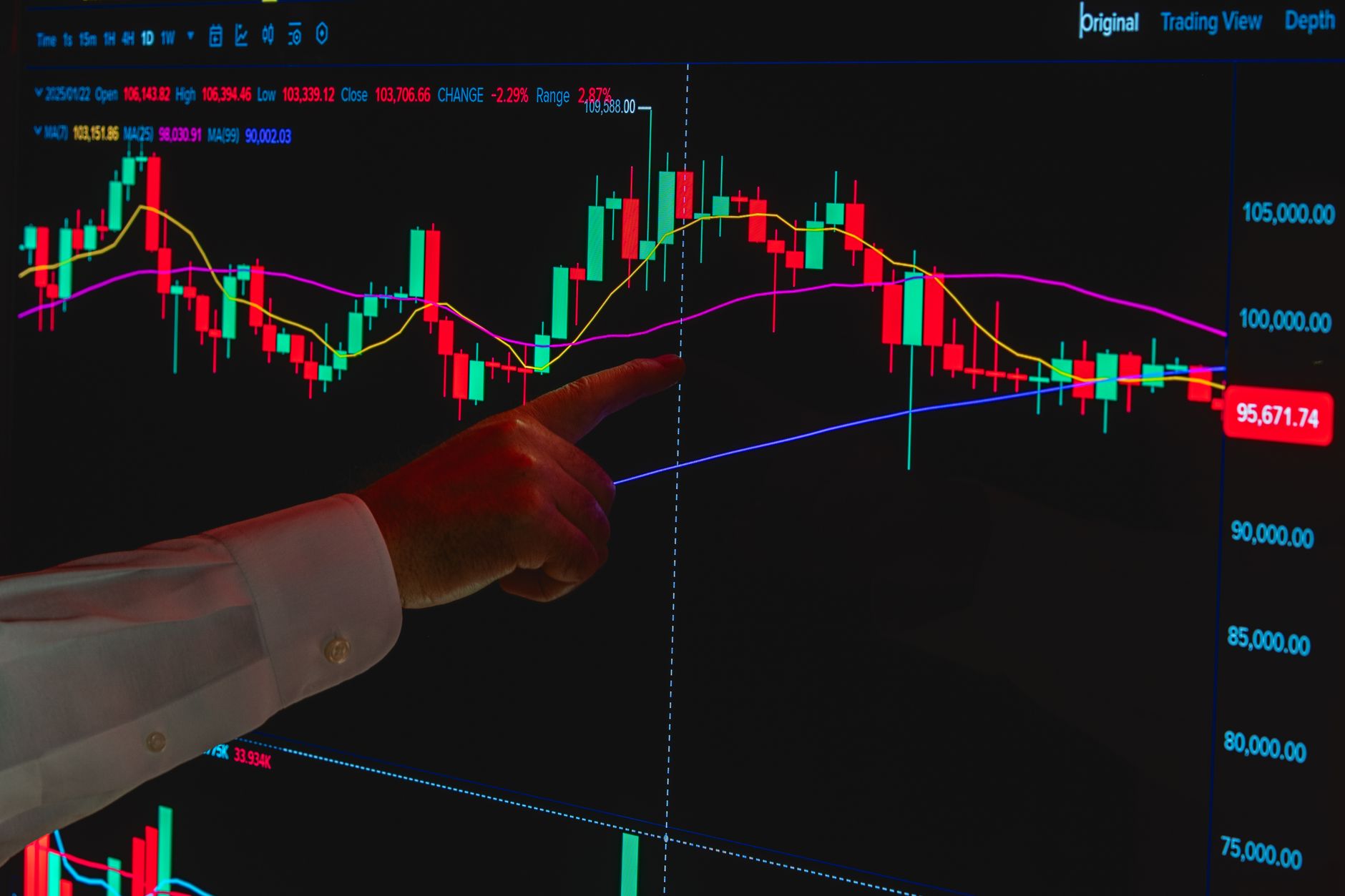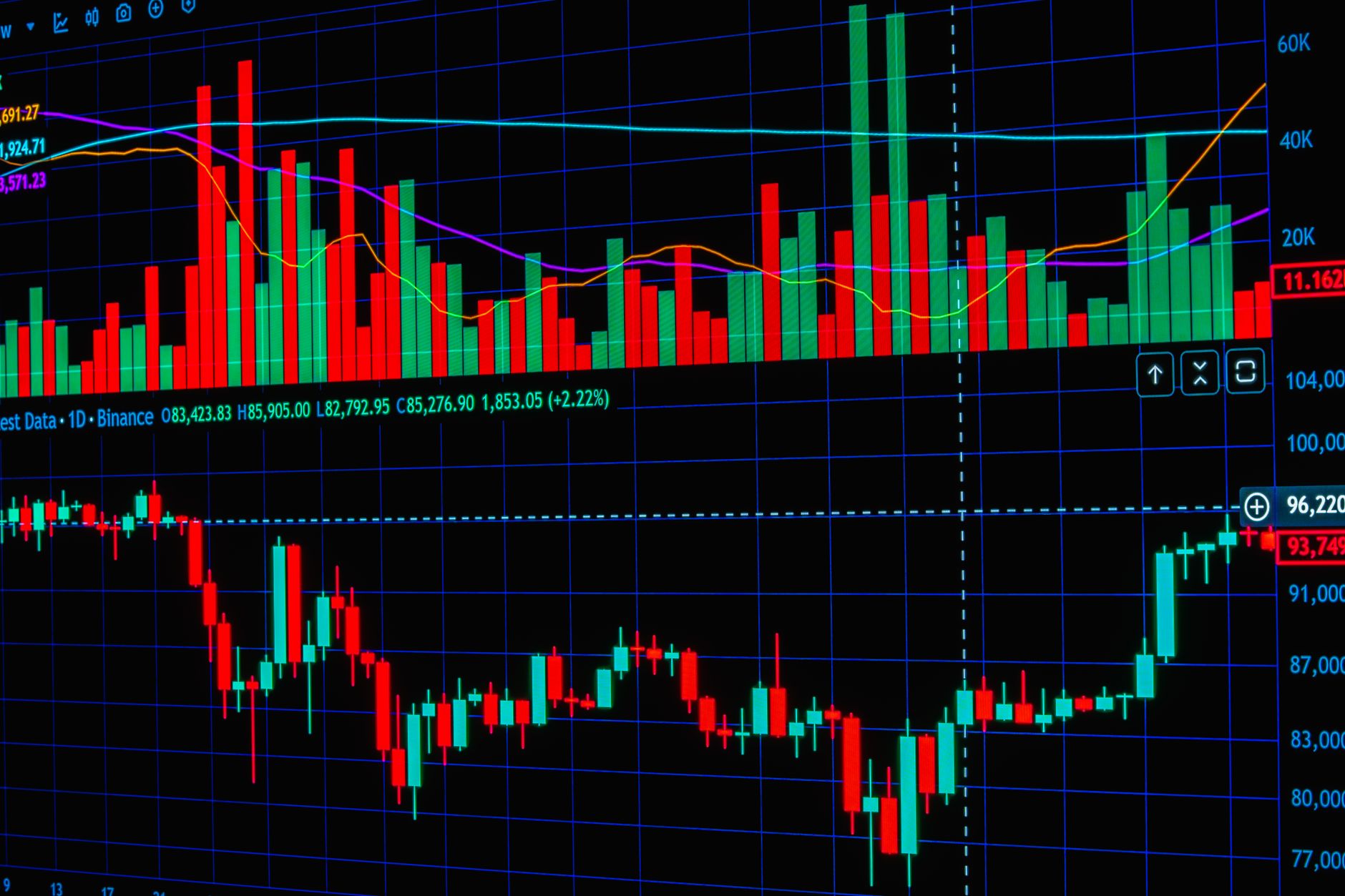

Sensex Nifty plunge is causing concern among investors today. The markets have seen a significant dip of around 1.2%, raising questions about the current economic climate.
Understanding Today’s Market Trends
Today’s market has witnessed a significant downturn, with the Sensex and Nifty plunge around 1.2%. This decline has raised concerns among investors regarding the overall stability of the financial landscape. Several factors contribute to this unsettling trend, which have been observed over the last few days.
Among the primary reasons for this plunge are:
- Global Economic Concerns: Economic data from major economies has presented a mixed outlook, causing uncertainty in the markets.
- Inflation Worries: Rising inflation rates have led to speculations about potential interest rate hikes, which could negatively impact market performance.
- Geopolitical Tensions: Ongoing geopolitical issues have created an environment of fear, leading to reduced investor confidence.
In addition to these factors, the reactions from investors have been swift, with many choosing to sell off their holdings in response to the Sensex Nifty plunge. Analysts suggest that while the market may rebound in the future, the current sentiment reflects a cautious approach among traders.
As the day progresses, it remains crucial for investors to stay informed and consider the broader implications of today’s market trends. With volatility expected, strategic decision-making will be key in navigating this challenging environment.
Reasons Behind the Market Drop
The recent plunge of the Sensex and Nifty has left investors and analysts alike questioning the underlying causes of this significant market drop. Various factors have contributed to the decline, creating a ripple effect across the financial landscape.
- Global Economic Concerns: A slowdown in global economic growth has sparked fears among investors, leading to a cautious approach in trading. Key international markets have shown signs of weakness, affecting investor sentiment.
- Rising Inflation Rates: Persistent inflation has raised alarms about the potential for increased interest rates, which could further hinder economic recovery. Investors are concerned that higher borrowing costs may dampen corporate profits.
- Geopolitical Tensions: Escalating geopolitical tensions, particularly in regions such as Eastern Europe and Asia, have contributed to market volatility. Uncertainty surrounding international relations has made investors wary.
- Profit Booking: After a prolonged period of gains, many investors are opting to book profits, leading to a sell-off. This profit booking is often triggered by fears of an overvalued market, prompting a decline in stock prices.
- Sector-Specific Issues: Certain sectors, particularly technology and finance, have faced challenges that have exacerbated the overall market decline, contributing to the Sensex Nifty plunge today.
As the market grapples with these issues, it remains to be seen how long this downturn will last.
Impact of Global Events on Sensex and Nifty
The recent plunge of the Sensex and Nifty has raised concerns among investors, particularly in light of global events that have significant ramifications for the Indian stock market. Several factors have contributed to this decline, which has seen both indices drop by approximately 1.2% today.
One key factor is the ongoing geopolitical tensions that have escalated in various parts of the world. Investors are often cautious in times of uncertainty, leading to reduced trading volumes and increased volatility in stock markets. Additionally, fluctuations in global oil prices have put pressure on the Indian economy, further impacting investor sentiment.
Moreover, central bank policies in major economies, such as the United States and Europe, are also influencing market dynamics. Changes in interest rates or indications of tightening monetary policy can lead to capital outflows from emerging markets like India, contributing to the current market conditions.
Analysts note that the impact of these global events is palpable, as investors react to developments beyond India’s borders. As a result, the Sensex and Nifty plunge can be seen as a reflection of both domestic challenges and external pressures. The coming days will be crucial in determining whether this trend continues or if a recovery is on the horizon.
Expert Opinions on Market Recovery
Experts are weighing in on the recent Sensex Nifty plunge, suggesting that various factors could influence the market’s recovery trajectory. Many analysts believe that investor sentiment plays a crucial role during such downturns.
According to Ravi Kumar, a leading market analyst, “The current market conditions reflect a mix of global concerns and local economic indicators. While the Sensex Nifty plunge is worrying, it could also present a buying opportunity for savvy investors.” He emphasizes the importance of maintaining a long-term perspective, as markets often rebound after significant drops.
Additionally, Anjali Mehta, a financial strategist, notes that “Historical data shows that markets tend to recover after a sharp decline, provided there are no underlying systemic issues.” She advises investors to focus on fundamentally strong stocks that are likely to weather the storm.
Several other experts recommend monitoring key economic indicators, including inflation rates and employment figures, to gauge the potential for recovery. They suggest that if these indicators show positive trends in the coming weeks, confidence may return to the markets.
In summary, while the Sensex Nifty plunge raises concerns, many experts believe that a rebound is possible if economic fundamentals improve and investor sentiment stabilizes.
Historical Context of Market Fluctuations
The stock market has always been subject to fluctuations, with the Sensex and Nifty experiencing various peaks and valleys throughout their histories. Understanding the historical context of these market movements is crucial for investors navigating today’s turbulent environment.
Market declines, such as the recent Sensex Nifty plunge, can often be traced back to a combination of factors including economic downturns, political instability, and changes in global market sentiment. Notable market crashes, such as the 2008 financial crisis and the COVID-19 pandemic’s initial impact in early 2020, serve as reminders of the volatility inherent in stock trading.
In the past, the markets have shown resilience, bouncing back after significant drops. For instance, after the 2008 crisis, the Sensex and Nifty rebounded within a few years, showcasing the cyclical nature of the economy. Investors have historically relied on long-term strategies to weather these downturns, often emphasizing the importance of diversification in their portfolios.
As we observe the current landscape, it is essential to reflect on past events and their outcomes. Historical patterns suggest that while the Sensex Nifty plunge may evoke concern, it can also present opportunities for growth and investment for those willing to remain vigilant and informed.
Future Predictions for Indian Markets
As analysts assess the current situation, future predictions for Indian markets appear to be mixed. While the recent Sensex Nifty plunge has raised concerns among investors, many experts suggest that this may be a temporary setback rather than a long-term trend.
Several factors contribute to these predictions:
- Economic Recovery: With ongoing vaccination drives and a gradual reopening of the economy, many believe that economic recovery will regain momentum in the coming months, boosting investor confidence.
- Monetary Policy: The Reserve Bank of India’s stance on interest rates and liquidity will play a crucial role in shaping market sentiments. A favorable monetary policy could stabilize and potentially elevate market indices.
- Global Market Trends: The performance of international markets, particularly the U.S. stock market, is likely to influence the Indian markets. Investors will be keeping a close eye on global economic indicators.
- Corporate Earnings: Anticipated earnings reports from major companies could provide insights into the health of various sectors, potentially reversing bearish trends.
In conclusion, while the Sensex Nifty plunge has created uncertainty, many analysts remain optimistic about a recovery, emphasizing the importance of staying informed and adaptable in these volatile times.
Advice for Investors Amidst Volatility
As the Sensex and Nifty plunge around 1.2% today, investors are left grappling with uncertainty in the stock market. In such volatile conditions, it is crucial to adopt a prudent approach to protect investments and make informed decisions. Here are some recommendations for investors:
- Diversification: Spread your investments across various sectors and asset classes to mitigate risk. This can help cushion the blow from market downturns.
- Stay Informed: Keep an eye on market trends and global economic indicators. Understanding the factors driving market fluctuations can provide insights into potential recovery.
- Focus on Fundamentals: Evaluate the financial health of companies before investing. Prioritize stocks with strong fundamentals and resilient business models.
- Long-term Perspective: Resist the urge to make impulsive decisions based on short-term market movements. A long-term investment strategy can often yield better results during turbulent times.
- Consult Professionals: If you’re unsure about your investment strategy, consider seeking advice from financial experts who can provide tailored guidance based on your individual risk tolerance.
In conclusion, while the Sensex and Nifty plunge may seem alarming, careful planning and informed decision-making can help investors navigate through these challenging times.
Conclusion: Navigating Market Challenges
As the Sensex and Nifty plunge, investors are left grappling with uncertainty in the market. The recent downturn, marked by a drop of around 1.2%, has raised concerns about the stability of the Indian financial landscape. Navigating these market challenges requires a strategic approach and awareness of the evolving economic conditions.
The current market environment is reminiscent of previous downturns, where investor sentiment plays a crucial role. Many experts suggest that understanding the broader economic indicators is essential for making informed decisions. Investors are encouraged to remain vigilant and not react impulsively to daily fluctuations.
To effectively navigate through this turbulence, it is vital for investors to:
- Stay Informed: Keep abreast of market news and expert analyses to understand underlying factors driving the plunge.
- Diversify Investments: Consider spreading investments across various sectors to mitigate risks associated with volatile markets.
- Avoid Panic Selling: Reacting hastily to market dips can lead to missed opportunities for recovery.
- Consult Financial Advisors: Professional guidance can provide clarity and help tailor strategies to individual financial goals.
In conclusion, while the Sensex and Nifty plunge may signal challenging times ahead, a measured approach can help investors weather the storm and position themselves for future growth.
The recent Sensex Nifty plunge has left investors anxious about the future of the stock market. Analysts are now debating whether this Sensex Nifty plunge indicates a more significant economic downturn.
Sources
Is the MG Hector Tomahawk PHEV the Best Car for Long Trips? · Sensex Nifty market decline: Worst Week for Investors · Darja Semenistaja Valeriya Strakhova: A Proven Success Story